Nicaragua, the land of lakes and volcanoes, is one of the most talked-about destinations in Central America. Colonial cities full of colour, volcanoes you can board down, islands in a freshwater sea and a culture that has never been packaged for visitors — at a fraction of what its neighbours charge.
Why Nicaragua
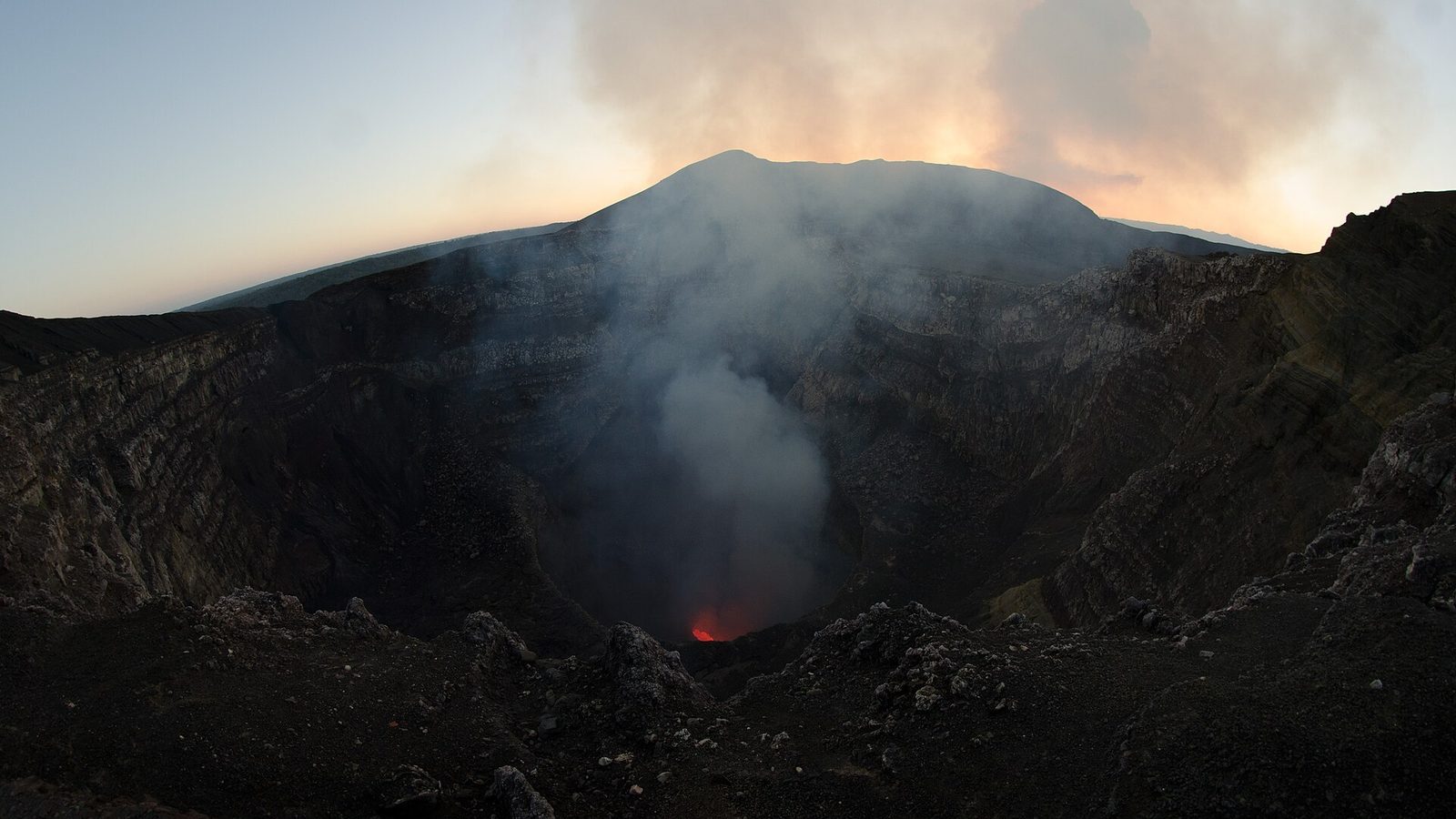
- Masaya volcano: one of the very few places on earth where you can stand at the rim and look down at an incandescent lava lake.
- Colonial cities: Granada and León, both beautifully preserved and both still working cities rather than museums.
- Serious surf: San Juan del Sur and the Pacific coast, with offshore winds most of the year.
- Volcano boarding down the black slope of Cerro Negro.
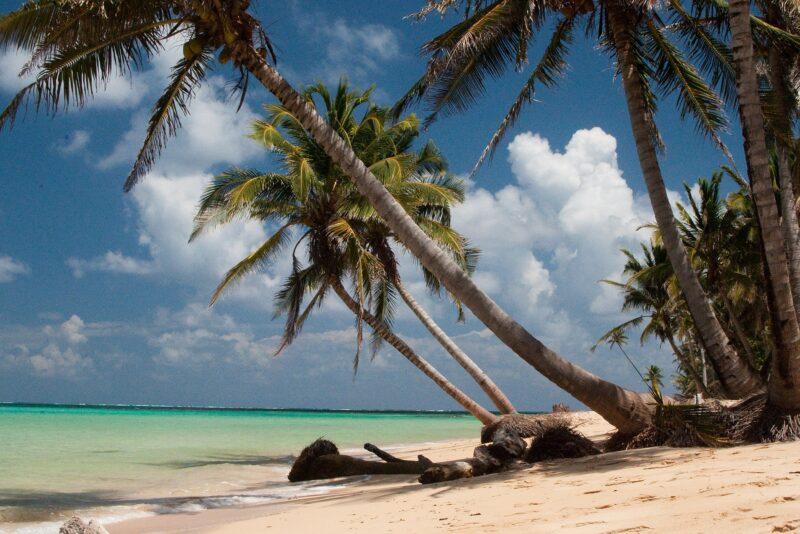
- Caribbean islands: Corn Island and Little Corn, still largely undeveloped.
- Low prices: among the most affordable countries in the region.
The main destinations
Granada
Founded in 1524, Granada is the oldest city in Nicaragua and one of the oldest on the American mainland. Its painted streets, colonial architecture and position on Lake Nicaragua make it the most photogenic place in the country.
- The yellow cathedral: the city’s emblem, visible from almost anywhere.
- Calle La Calzada: the pedestrian spine of restaurants and nightlife.
- Las Isletas: 365 small volcanic islands scattered across the lake.
- San Francisco convent: the oldest colonial building in the country.
Granada is also the base for Masaya volcano and the Apoyo crater lagoon.
León
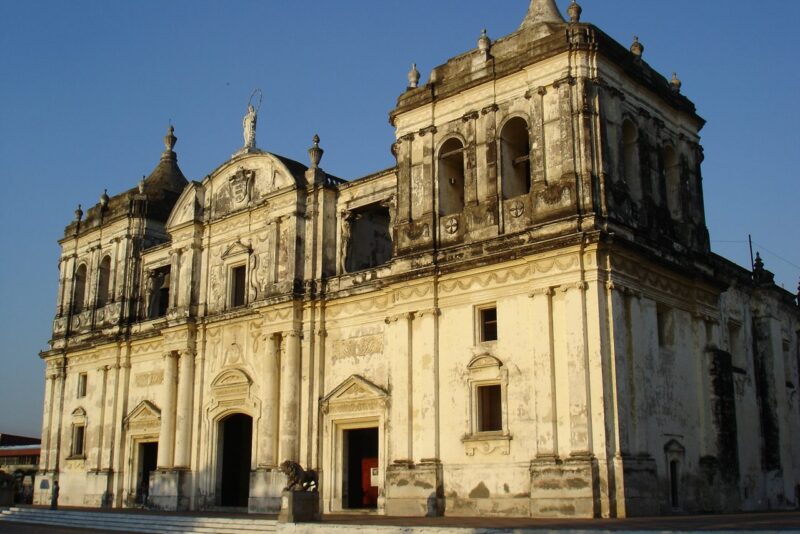
The country’s intellectual and revolutionary capital. Its cathedral, the largest in Central America, is a UNESCO World Heritage Site, and you can climb onto its white roof — barefoot. Political murals cover the walls, the university keeps the city young, and Cerro Negro is half an hour away.
Masaya volcano
You can drive right to the rim. The evening visits are the ones worth doing, when the lava glows in the dark. It sits about 23 km from Managua and is usually combined with Granada.
Ometepe
An island formed by two volcanoes rising out of Lake Nicaragua. You can climb Concepción or the gentler Maderas, swim at the Ojo de Agua springs, and travel by ferry from San Jorge. It is the slowest, most rural place in the country and people routinely stay longer than they planned.
San Juan del Sur
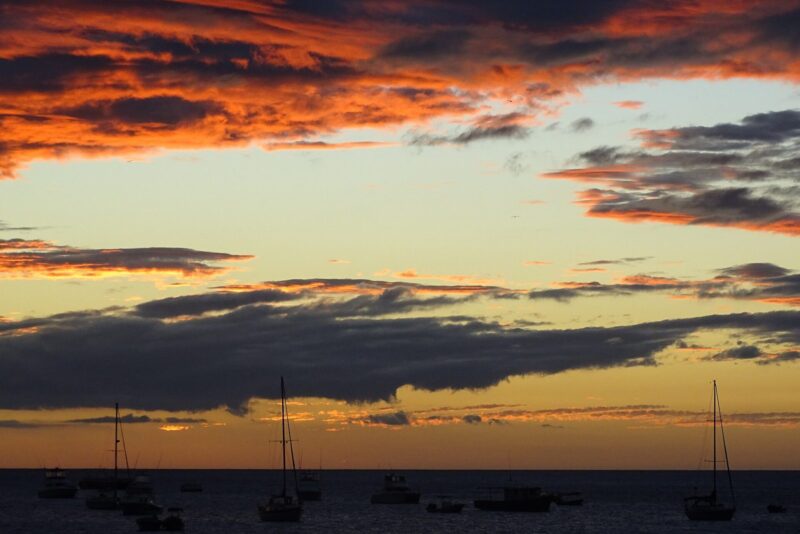
The surf and nightlife town on the Pacific, with a west-facing bay built for sunsets. The good breaks — Maderas, Remanso, Hermosa — are outside town and reached by shuttle.
When to go
The dry season runs from November to April and is the most reliable window. The rainy season, May to October, brings afternoon storms rather than all-day rain, plus green landscapes, fewer visitors and lower prices. Surf swells are biggest between March and October.
Money and budget
The currency is the córdoba (NIO), and US dollars are accepted in most tourist businesses, though you will usually get change in córdobas. Carry small notes, and bring cash for the islands and smaller towns where card machines are rare.
Nicaragua is one of the cheapest countries in Central America. Food at a local comedor, buses and simple accommodation all cost a fraction of Costa Rican prices.
Getting around
- Chicken buses: the cheapest way to move between towns, and an experience in itself.
- Tourist shuttles: link Granada, León, Ometepe and San Juan del Sur directly.
- Ferry to Ometepe: from San Jorge, about an hour and often choppy.
- Hire car: useful but not essential; roads between the main cities are good.
Before you book
Nicaragua has been through periods of political unrest, and several governments maintain travel advisories that are updated from time to time. Check your own country’s current advice before booking, and again before you travel. Conditions on the ground and official guidance do not always move together, so it is worth reading both the advisory and recent first-hand accounts.
What to eat
Gallo pinto for breakfast, nacatamal on Sunday, vigorón from a market stall and quesillo wrapped in a tortilla at a roadside stop. The food is simple, filling and very cheap.
Prices and schedules change every season. Confirm before booking.