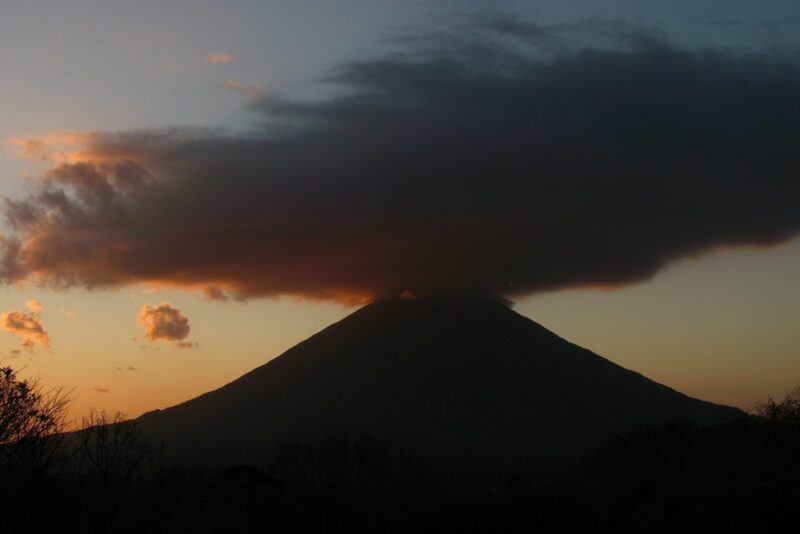
León is the intellectual, university and revolutionary capital of Nicaragua. With the largest cathedral in Central America — a UNESCO World Heritage Site — political murals telling the country’s story, and volcano boarding down Cerro Negro, it offers something completely different from its colonial rival, Granada.
History and character
León was originally founded in 1524 near Momotombo volcano, but an earthquake and an eruption forced it to move to its present site in 1610. The ruins of León Viejo are themselves a World Heritage Site.
Unlike aristocratic Granada, León has historically been the city of intellectuals, artists and revolutionaries. It was the birthplace of Rubén Darío, the father of literary modernism in Spanish, and a stronghold of the Sandinista revolution. That rebellious streak is still visible on walls all over the city.
What to see
The cathedral
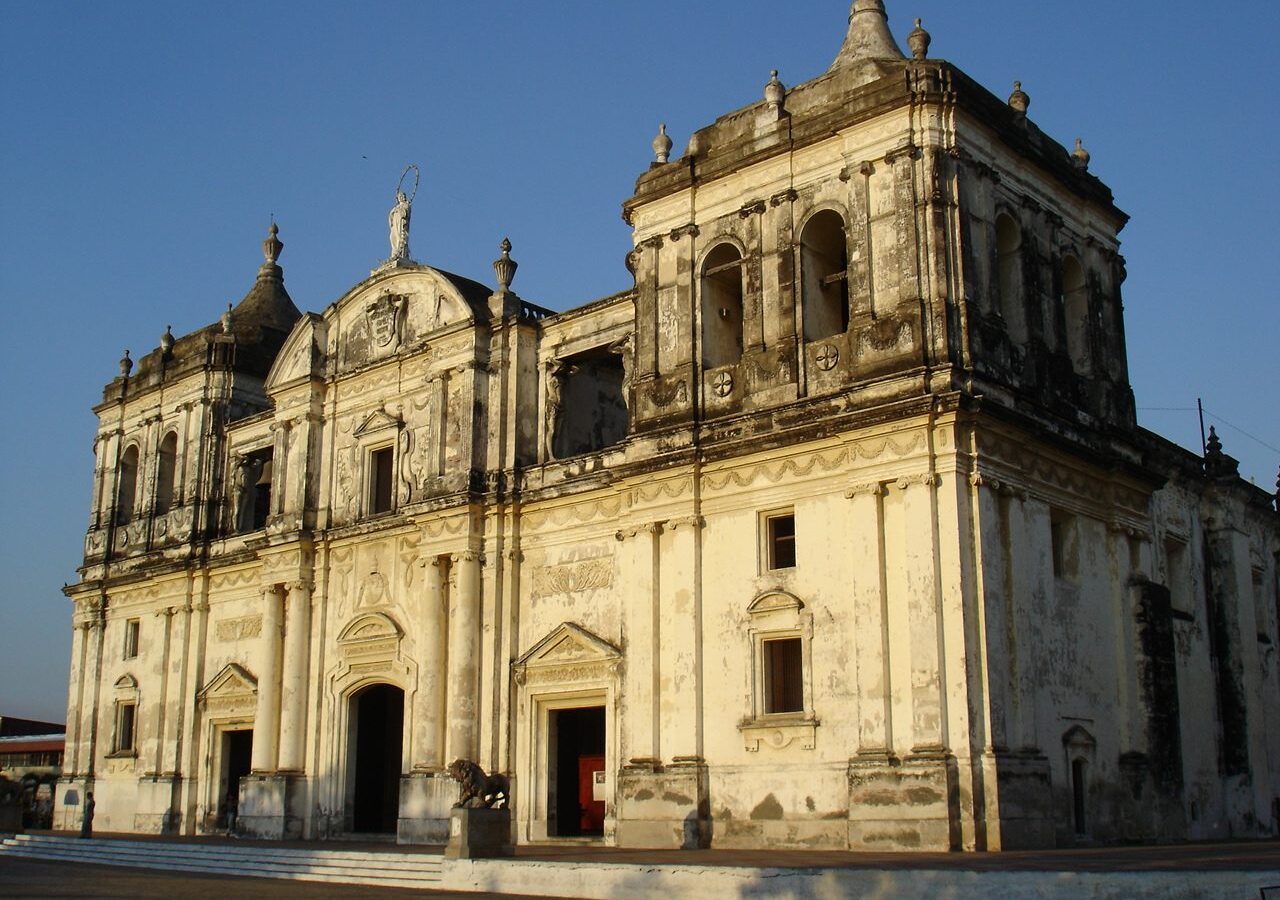
The Basilica Cathedral of the Assumption is the largest in Central America and has been a World Heritage Site since 2011. Built between 1747 and 1814, it combines baroque and neoclassical.
The thing to do is walk on the white roof — barefoot, as required — for views over the city and the chain of volcanoes behind it. Inside lies the tomb of Rubén Darío, watched over by a stone lion. Go in the last hour of light.
Cerro Negro and volcano boarding
The youngest volcano in Central America, and the reason many travellers come to León. You walk up the black cinder slope carrying a board, put on a boiler suit and goggles, and slide back down.
The climb takes about 45 minutes in full sun with no shade; the descent takes a couple of minutes. It is more fun than dignified, and the volcanic grit gets into absolutely everything.
Murals and street art
León is an open-air museum of political painting: Sandinista murals recounting the revolution, traditional work in the indigenous Sutiaba neighbourhood, and contemporary Nicaraguan galleries.
Museums
The Rubén Darío museum, in the house where the poet grew up, and the Museum of the Revolution on the central square, where the guides are usually former combatants who tell it first-hand. That is worth more than the exhibits.
Around León
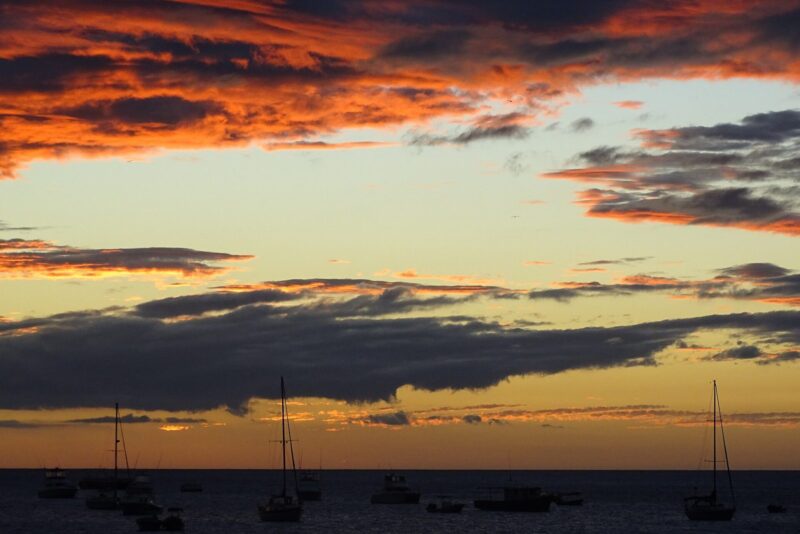
- Las Peñitas and Poneloya: the local beaches, twenty minutes away, with surf and sunsets.
- Juan Venado island: a mangrove reserve reached by boat, with turtle nesting in season.
- Telica volcano: a night hike to look into an active crater.
- León Viejo: the ruins of the original city at the foot of Momotombo.
Practical advice
- It is hot. León is one of the hottest cities in the country; plan around the middle of the day.
- Two nights covers the city, Cerro Negro and a beach afternoon.
- About an hour and a half from Managua by road.
- For volcano boarding, wear clothes you do not mind ruining.