Granada is Nicaragua’s colonial jewel and one of the most photographed cities in Central America. Founded in 1524, it is the oldest city in the country and among the oldest on the American mainland. Vividly painted streets, well-kept colonial architecture and a position facing Lake Nicaragua make it the essential stop on any trip here.
The history
Granada was founded by the Spanish conquistador Francisco Hernández de Córdoba, who named it after his home city in Spain. In the colonial period it was one of the most important ports in Central America, thanks to its access to the Caribbean through Lake Nicaragua and the San Juan river.
That wealth attracted English and French pirates, who sacked the city repeatedly in 1665, 1670 and 1685. In 1856 the American filibuster William Walker burned almost all of it before fleeing, leaving behind the notorious sign reading “Here was Granada”. The city was rebuilt keeping its colonial architecture.
What to see
The cathedral
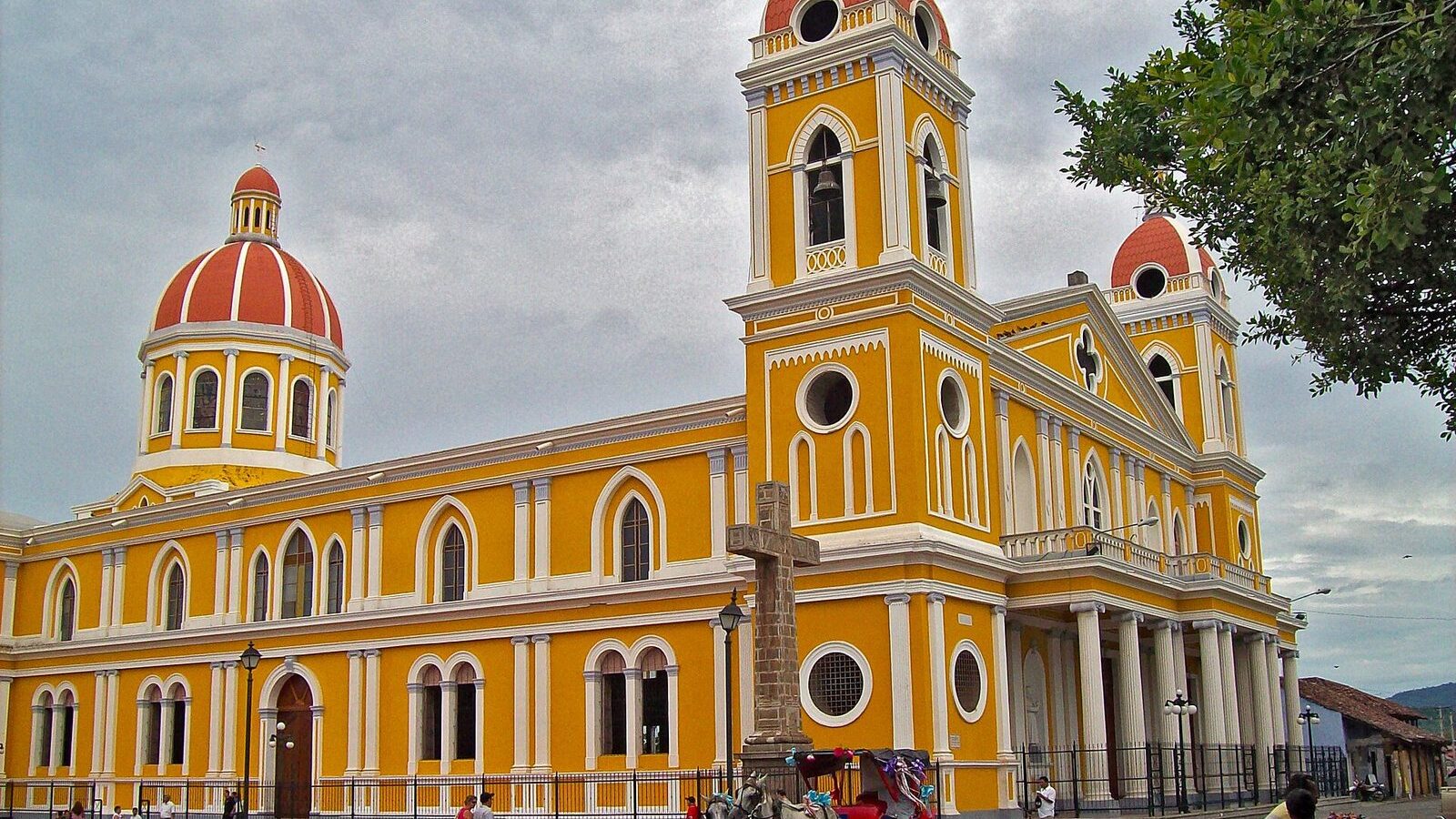
The cathedral of the Immaculate Conception is Granada’s emblem: a bright yellow façade, terracotta domes and ornate windows, visible from almost anywhere in the city. The original was destroyed by Walker; the present building dates from 1915.
Parque Central
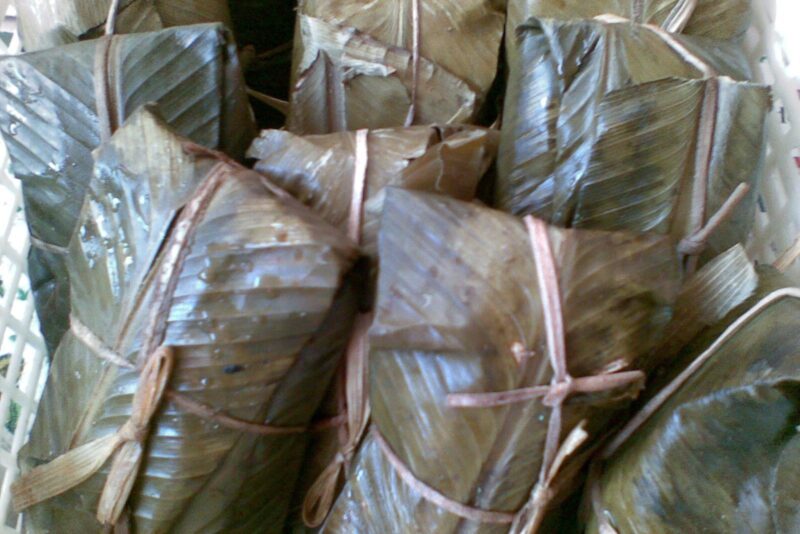
The heart of the city, ringed by colourful colonial buildings. Stalls sell vigorón, the local dish of cassava, pork crackling and cabbage slaw; musicians play; and the eighteenth-century Palacio Nacional stands on one side. It is where Granada is most itself.
Calle La Calzada
The best-known pedestrian street in Nicaragua, running from the central square towards the lake. Restaurants, bars and terraces the whole way. Touristy, lively, and where most people end up in the evening.
Convento San Francisco
The oldest colonial building in the country, founded in 1529. Its museum holds a collection of pre-Columbian basalt statues brought from Zapatera island — strange, powerful figures worth the entrance on their own.
Las Isletas
Three hundred and sixty-five small volcanic islands scattered across the lake, thrown there by an eruption of Mombacho. Boat trips run for an hour or two among them, past fishermen’s houses, birdlife and a small fort. Sunset is the time to go.
The Merced church tower
Climb it for the best view in Granada: the cathedral, the tiled roofs, the lake and Mombacho behind. Best in the last hour of daylight.
Day trips
- Mombacho volcano: cloud forest on the crater rim, with trails and a canopy tour, half an hour away.
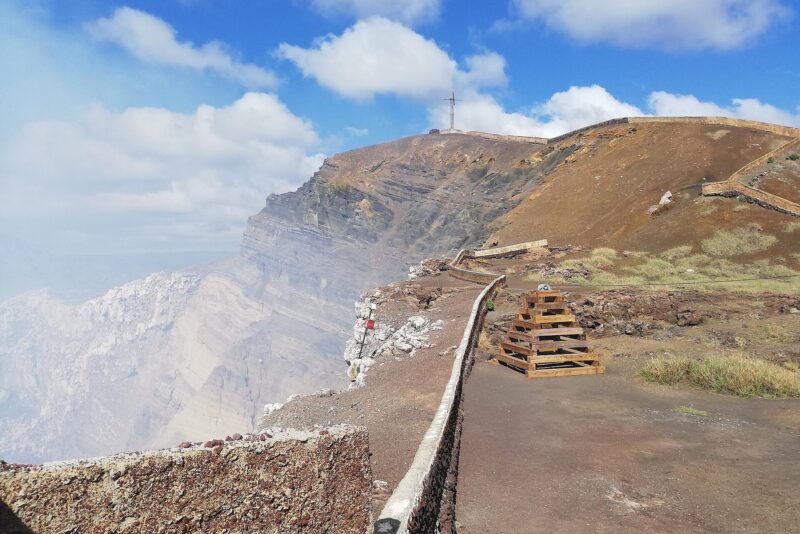
- Masaya volcano: the lava lake, best visited in the evening.
- Laguna de Apoyo: a crater lake with warm, clear water, twenty minutes away and the best swim in the region.
- Masaya craft market and the white villages of Catarina and San Juan de Oriente.
Practical advice
- Granada is hot and humid. Do the walking early or late.
- Two or three nights is right, using it as a base for the volcanoes and the lagoon.
- It is about 45 minutes from Managua airport.
- Eat off La Calzada for better food at local prices.