Gracias is one of the oldest towns in Central America and, for a few years in the sixteenth century, the administrative capital of the whole region. Today it’s a colonial town of cobbled streets in the mountains of Lempira, at the foot of the highest peak in Honduras and surrounded by hot springs and Lenca villages.
A little history
Founded in 1536, Gracias a Dios — to give it its full name — housed the Real Audiencia de los Confines between 1544 and 1548, the supreme Spanish court for Central America. It was a brief interlude: the seat soon moved to Antigua Guatemala and Gracias was left a mountain town off the main routes.
This is also the territory of the chief Lempira, who resisted the Spanish and gives his name both to the department and to the Honduran currency.
What to see in town
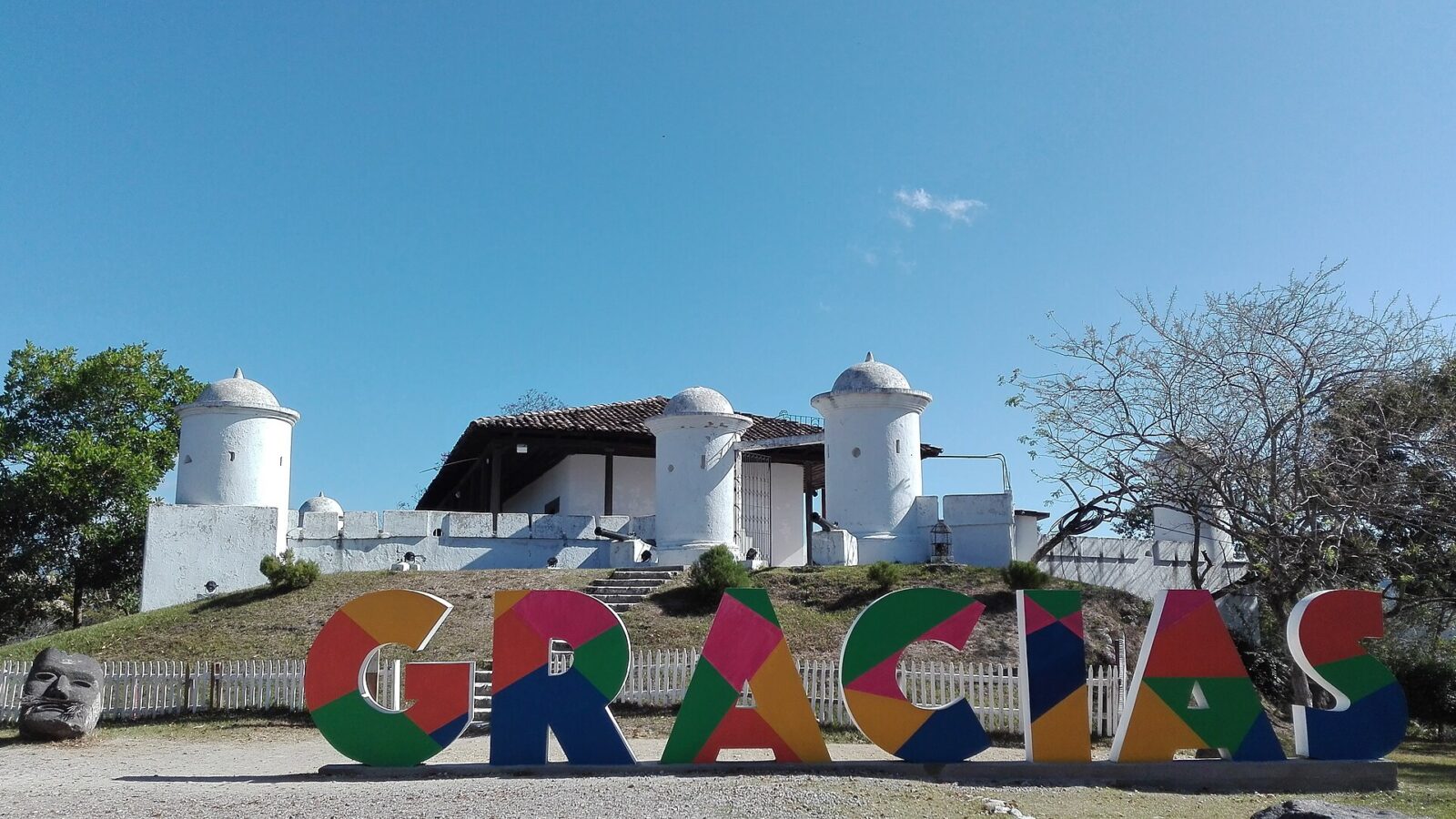
- Fuerte San Cristóbal: the nineteenth-century fort on a rise above town, with views across the valley and the tomb of Juan Lindo, president of both Honduras and El Salvador. The best spot for sunset.
- La Merced and San Marcos churches, both eighteenth-century, whitewashed.
- San Sebastián church, the oldest of the group.
- The central plaza, which sets the unhurried pace of the place.
Celaque and Cerro Las Minas
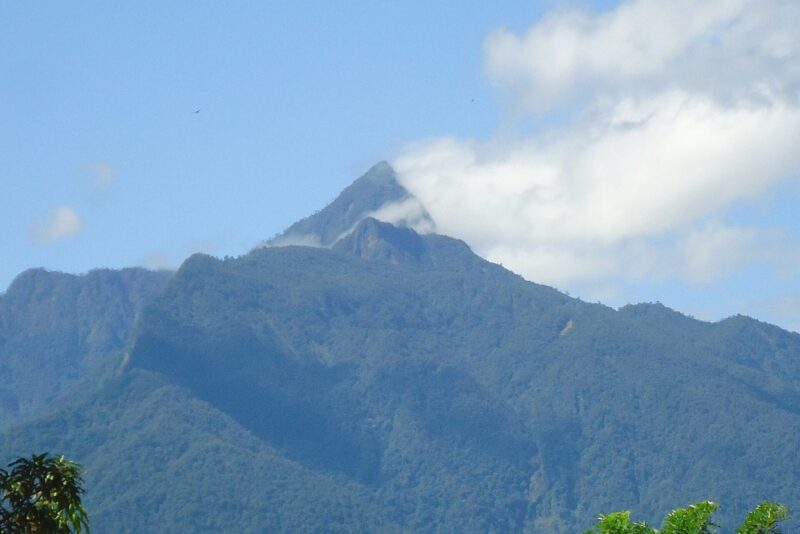
Celaque Mountain National Park begins about 9 km from town and protects the best-preserved cloud forest in Honduras. Its summit, Cerro Las Minas at 2,870 metres, is the highest point in the country.
Two ways to experience it:
- The day visit: short trails run from the visitor centre to waterfalls and viewpoints, through tree ferns and moss. A few hours, no special preparation needed.
- The summit: a demanding two-day climb with a night camping, over steep and often muddy ground with substantial ascent. A guide is required — and sensible — and warm clothing is essential: it can drop close to freezing before dawn.
That the Lenca name Celaque translates as “box of water” is no accident: the rivers supplying much of western Honduras rise on this mountain.
The hot springs
Gracias is known nationwide for its thermal baths. A few kilometres out of town there are several complexes with pools at different temperatures, set in the forest and rather well kept. Going late in the afternoon, after walking in Celaque, is the classic local plan and genuinely welcome.
The Lenca Route
Gracias is the best base for the Ruta Lenca, a circuit of mountain villages where the culture of Honduras’s largest indigenous group remains alive:
- La Campa: traditional Lenca pottery, made without a wheel, and a white church wedged against a cliff.
- San Manuel Colohete: one of the finest colonial churches in the country, with mural paintings.
- Belén Gualcho: a busy Sunday market and a village that has barely changed.
- San Juan: trailhead for walks and home to the area’s coffee mill.
Getting there and when
Just under an hour from Santa Rosa de Copán on paved road; about four hours from San Pedro Sula. It’s a natural detour for anyone visiting Copán Ruinas who wants to continue inland rather than double back to the coast.
The dry season, December to April, is best, especially if you plan to climb Celaque: in the rains the trail turns to mud and the summit is almost permanently in cloud.
Conclusion
Gracias brings together three things that rarely coincide: an authentic colonial centre with no tourist gloss, the country’s best cloud forest, and hot springs twenty minutes away. Add the Lenca Route and you have the strongest argument for not reducing Honduras to Copán and Roatán.
Planning a trip to Honduras? Read our Honduras travel guide 2026.