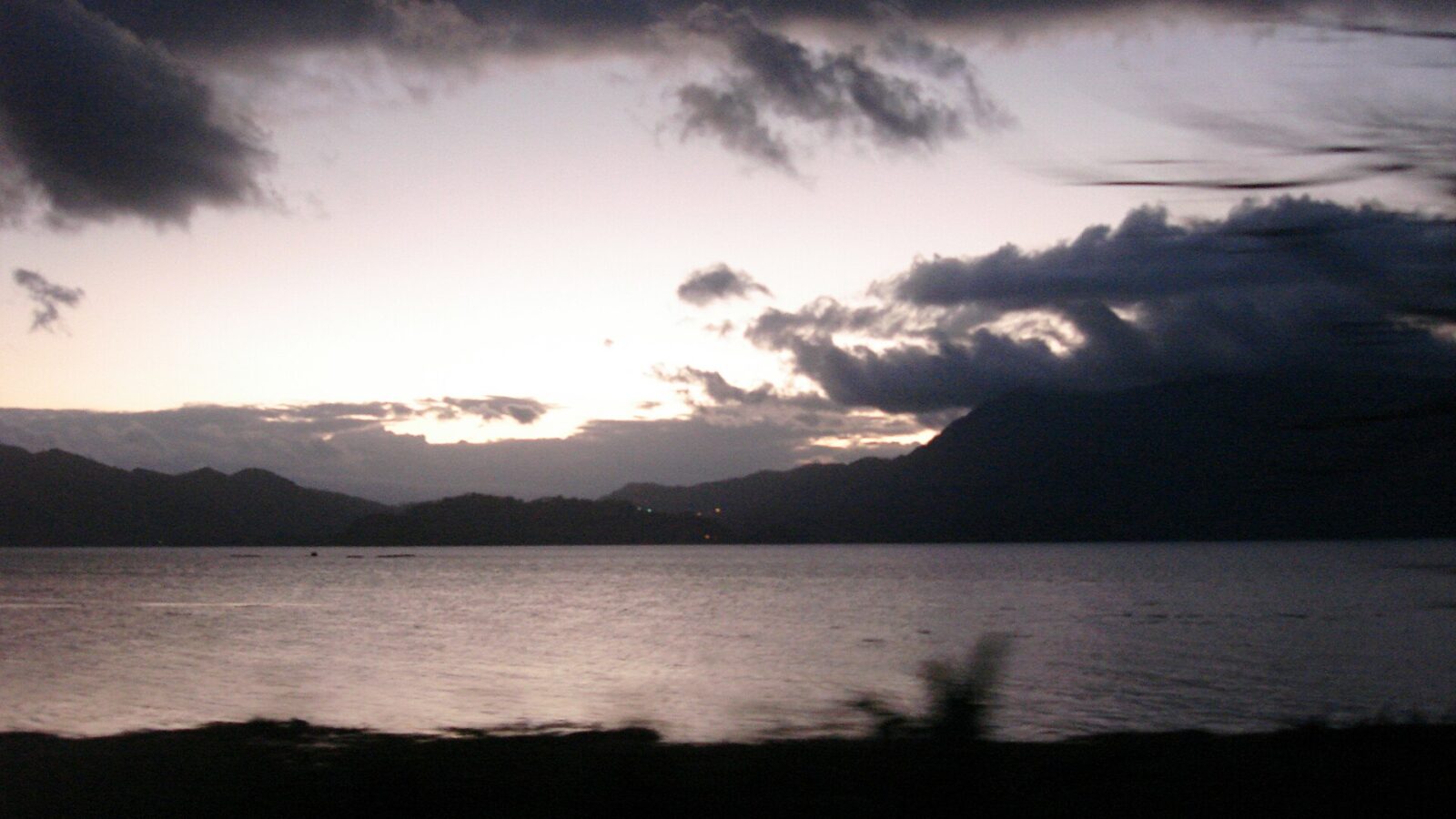
Lake Yojoa is the largest natural lake in Honduras and the stop almost everyone drives past, halfway between San Pedro Sula and Tegucigalpa. That’s a mistake: between the lake, two national parks, a waterfall over 40 metres high and the country’s best-known craft brewery, there’s easily two or three days here.
Where it is and what’s around it
The lake covers around 80 km² at roughly 630 metres above sea level, hemmed in by the Santa Bárbara mountains to the west and Cerro Azul Meámbar to the east. Both are national parks, making this basin one of the most biodiverse areas in the country.
The CA-5 highway skirts the lake, and strung along it are the fried-fish comedores that give most travellers their first impression of Yojoa.
The birds: the main reason
Yojoa is one of the finest birding destinations in Central America, with well over 400 species recorded in the basin. You don’t need to be an enthusiast to enjoy it: a dawn boat trip through the northern wetlands around Los Naranjos is enough to turn up herons, jacanas, cormorants, kingfishers and, with luck, the anhinga.
Anyone here specifically for birds should head up into Santa Bárbara National Park or Cerro Azul Meámbar, where cloud-forest species appear, quetzal included.
What to do
- Pulhapanzak Falls: a 43-metre drop on the Río Lindo, a short way from the lake. Besides the viewpoint, there’s a guided trip that takes you behind the curtain of water and into caves, soaking you completely. It’s one of the most enjoyable things you can do in Honduras.
- Los Naranjos eco-archaeological park: a Lenca site on the lakeshore, with mounds, raised boardwalks over the wetland and a small museum. Quiet and little visited.
- Kayaking or boating the lake, the best way to grasp the scale of the place.
- Cerro Azul Meámbar National Park: trails, waterfalls and viewpoints over the lake, with accommodation inside the park.
- D&D Brewery: the pioneering craft brewery in Honduras, now a travellers’ meeting point and the usual base for arranging everything else.
The fried fish
A local institution. The roadside comedores serve whole fried tilapia with fried green plantain, pickled cabbage and tortillas. You eat with your hands and order by size.
Worth knowing that tilapia is an introduced species and that pressure on the lake has been a recurring environmental problem, with episodes of pollution from farming and aquaculture in the basin. Asking where the fish comes from is entirely reasonable.
Getting there
- From San Pedro Sula: just under two hours by car, or any bus heading for Tegucigalpa or Comayagua. Get off at Peña Blanca or La Guama.
- From Tegucigalpa: about three hours.
- From Copán Ruinas: around four hours, which makes Yojoa the logical break between Copán and either the coast or the capital.
The two places to stay are Peña Blanca in the north and the La Guama area to the east.
When to go
The dry season, December to April, is easiest for hiking and for the falls. In the rains Pulhapanzak carries far more water and looks more spectacular, but the trip behind the cascade may be suspended for safety. For migratory birds, November to March.
Conclusion
Yojoa is the best example of Honduran domestic tourism: cheap, green, uncrowded and perfectly placed to break a long drive in two. Two nights covers Pulhapanzak, a dawn boat trip and a walk in one of the parks. Few people build it into their route, and that’s exactly the appeal.
Planning a trip to Honduras? Read our Honduras travel guide 2026.