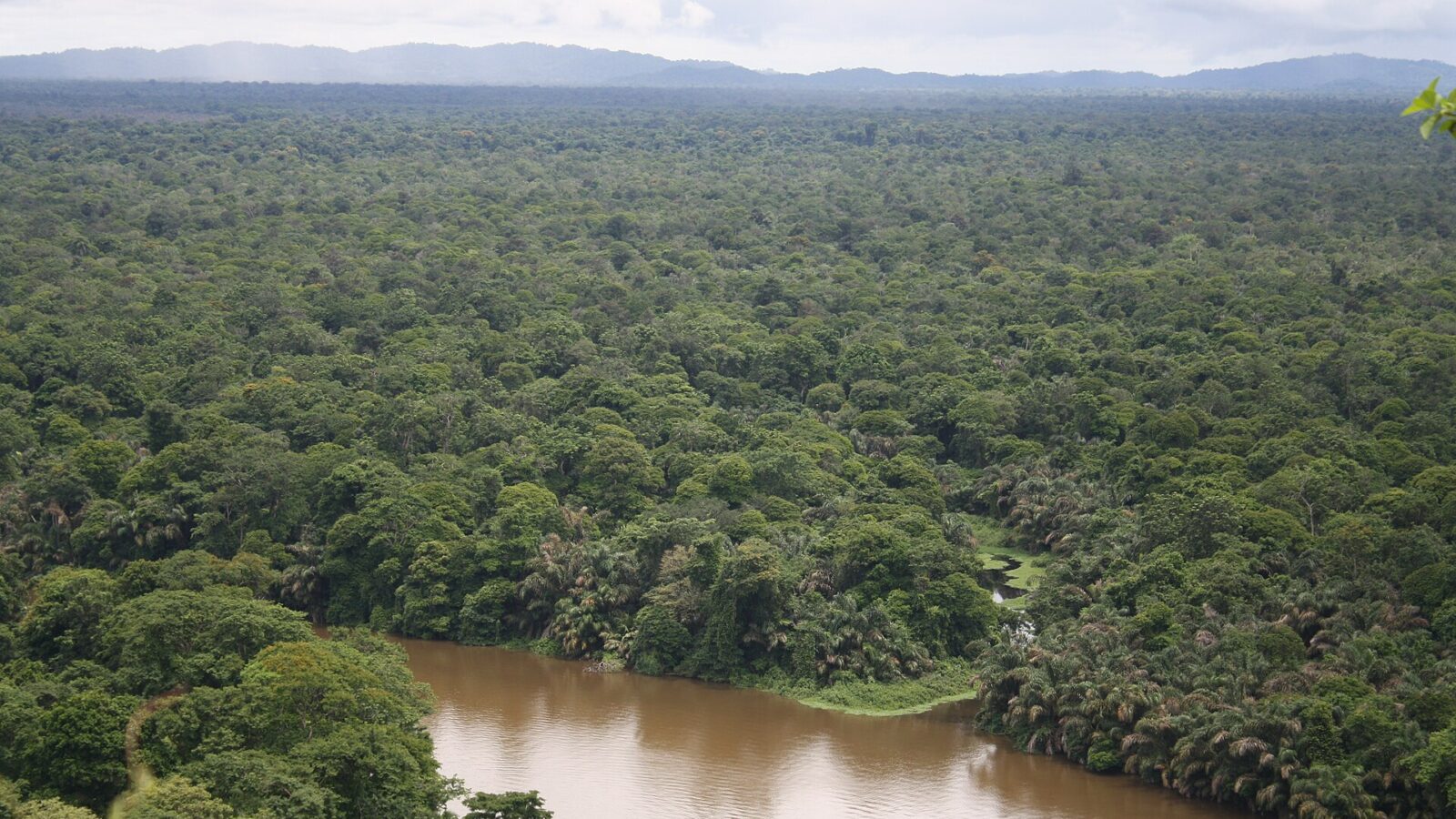
Tortuguero is the most improbable destination in Costa Rica: a village with no roads, wedged between the Caribbean Sea and a network of navigable canals, reachable only by boat or small plane. Its national park protects the largest green turtle nesting site in the western Atlantic and a flooded rainforest best seen from a boat at dawn.
Why Tortuguero is different
People often compare it to the Amazon, and in one essential way the comparison holds: here, transport means water. There are no cars in the village. The canals tourists travel today were cut in the 1950s to move timber, and they are now the area’s circulatory system.
That shapes the whole trip. You don’t arrive independently in a rental car, you can’t head out for a drive when you feel like it, and the day is built around boat trips, which run at dawn and dusk because that’s when the animals are out.
The turtles: when and how to see them
This is what gives the place its name and what defines the high season.
- Green turtle: nests from July to October, peaking in August and September. This is the species that arrives in greatest numbers.
- Leatherback: March to May. Far fewer of them, but it is the more astonishing animal — it can exceed two metres.
- Hawksbill and loggerhead: present in smaller numbers within the green turtle season.
Nesting can only be seen on a guided night walk, under strict rules: small groups, no white light, no flash and no touching the animals. These aren’t formalities — light disorients hatchlings and draws them away from the sea.
It’s worth being blunt: there is no guarantee. You walk the beach at night looking, and on some nights nothing shows up. Anyone arriving expecting a sure thing will be disappointed.
The canals
The other half of Tortuguero, and for many the better half. A two- or three-hour boat trip, ideally paddled or with an electric motor, through the narrow channels where the wildlife concentrates:
- Howler, capuchin and occasionally spider monkeys
- Two- and three-toed sloths
- Caimans and crocodiles along the banks
- Basilisks, the lizards that run across water
- Toucans, kingfishers, herons, jacanas and, with luck, the great jacamar
The six o’clock trip is the one to take. By mid-morning the heat builds and the animals disappear.
Getting there
There is no road to the village. The realistic options:
- Bus and boat via La Pavona: the budget route. From San José to Cariari, then La Pavona, then the boat. Long, but it works.
- Organised transfer: the usual choice. Pick-up in San José, breakfast, boat and arrival around midday. Normally sold as part of a two-night package.
- Small plane from San José: about 35 minutes to the village airstrip. Expensive, but it turns a travel day into half a morning.
Leave your rental car in the guarded car park at La Pavona or back in San José. In Tortuguero it is useless.
How long to stay and when to go
Two nights is the sensible minimum. With only one you spend more time travelling than looking. Two nights fit in two canal trips, the night turtle walk if it’s the season, and a quiet morning in the village.
On the weather, honesty helps: it rains in Tortuguero almost year-round. This is one of the wettest corners of the country. The drier months are February, March and September–October. Bring a rain jacket rather than an umbrella, and dry bags for camera and phone.
What to bring
- Insect repellent, seriously and in quantity
- A light rain jacket and dry bags
- Binoculars: without them you’ll see half as much
- Quick-dry clothing and footwear you don’t mind soaking
- Cash: ATMs are scarce and not everywhere takes cards
Conclusion
Tortuguero asks for effort: it takes time to reach, it rains, and the turtles come with no guarantees. In return it offers something almost nowhere else in Costa Rica does — the feeling of being somewhere cars simply cannot reach. If you’re travelling between July and October and can give it two nights, it’s one of the most memorable experiences in the country.
Planning a trip to Costa Rica? Read our Costa Rica travel guide 2026.