Guatemala is the most populous country in Central America and, for a great many travellers, the most intense in the region. It holds the largest living Maya inheritance on the continent, thirty-seven volcanoes, the best-preserved colonial city in the Americas and one of the highest concentrations of indigenous culture in the hemisphere.
It is also the country where most travellers end up staying longer than they planned. Here is what you need to put a trip together.
Why go to Guatemala
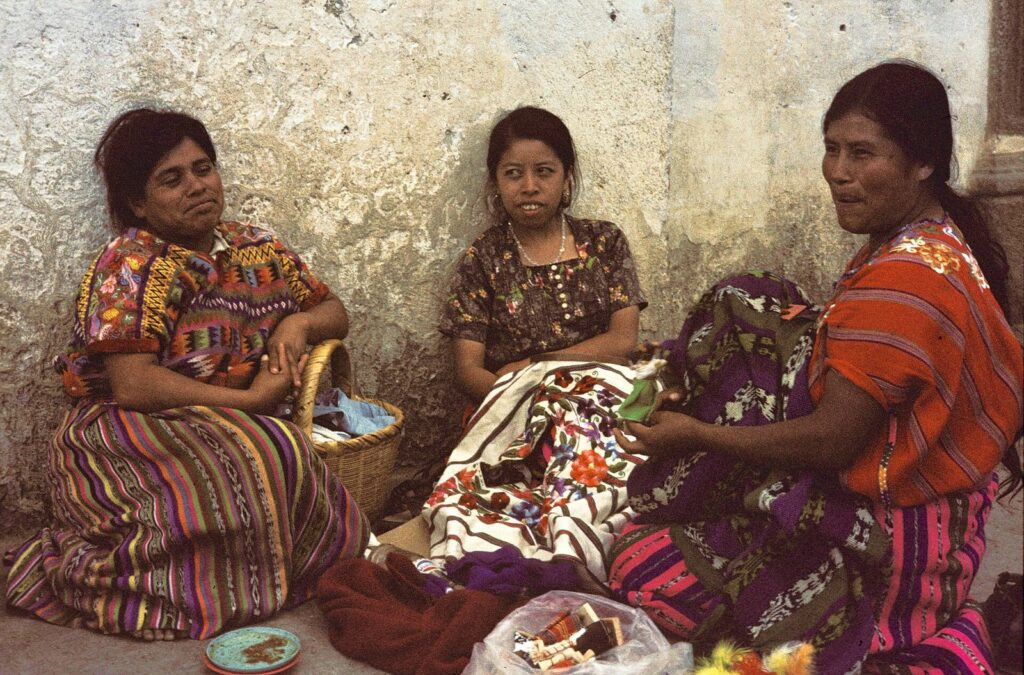
More than forty per cent of the population is indigenous Maya, and that is not a brochure statistic — you hear it on the street. Alongside Spanish, twenty-two Maya languages are spoken, plus Xinca and Garifuna, and in the highlands traditional dress is still everyday clothing rather than costume.
Add to that three UNESCO World Heritage Sites, the highest point in Central America — Tajumulco volcano at 4,220 metres — two coastlines, and prices among the lowest in the region.
What to see
Antigua Guatemala
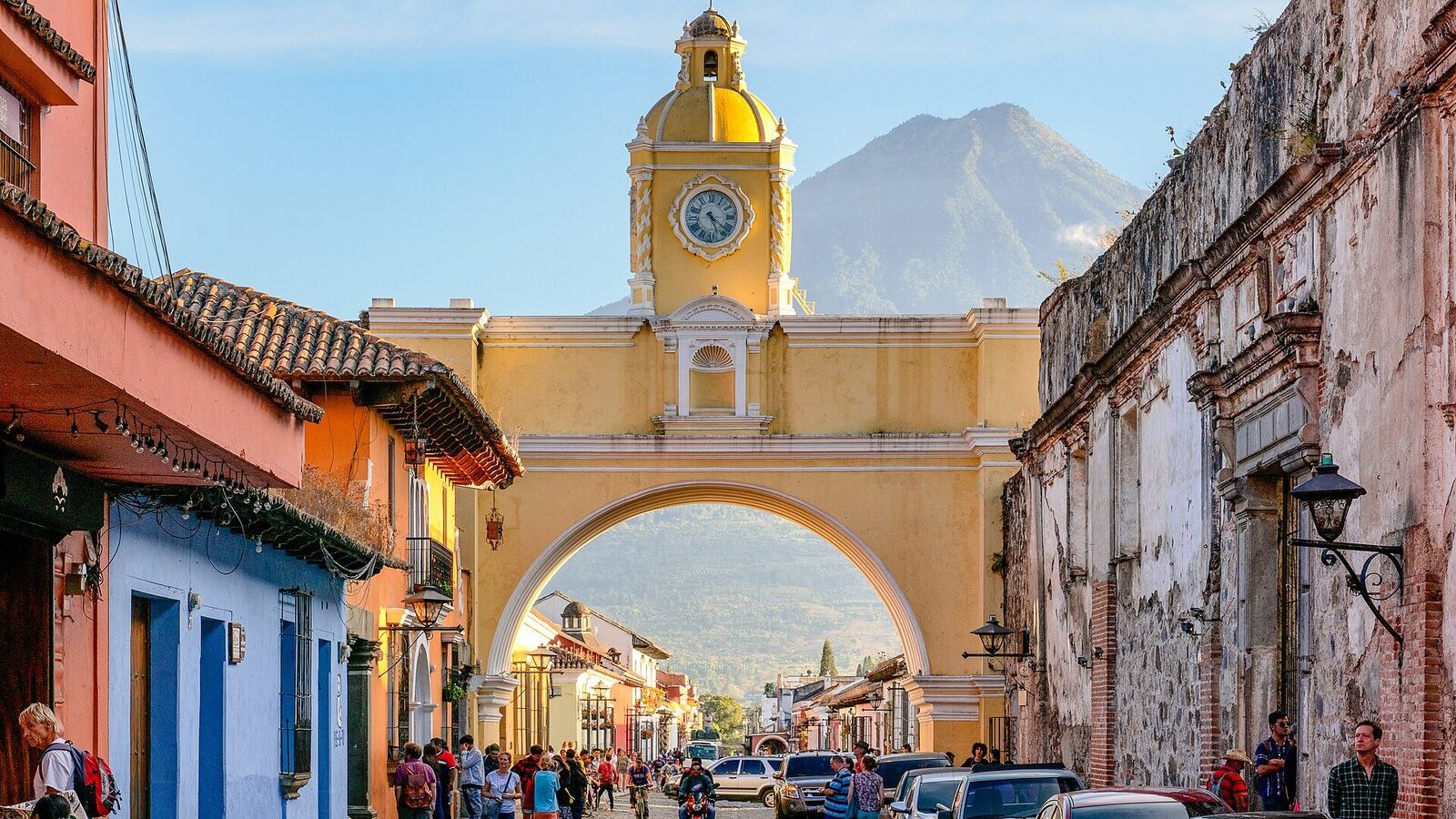
The old colonial capital, a World Heritage Site, with cobbled streets, ruined convents and three volcanoes standing over it. It is the usual base for starting a trip and the departure point for almost every highland excursion.
Tikal
The largest Maya city ever uncovered, with 70-metre pyramids rising above the Petén jungle. Only about five per cent of the site has been excavated: the tree-covered mounds you walk past are buildings.
Lake Atitlán
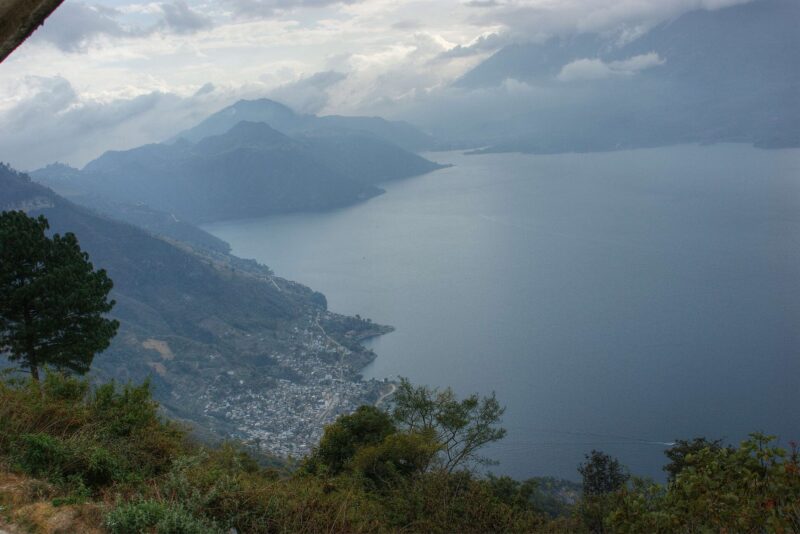
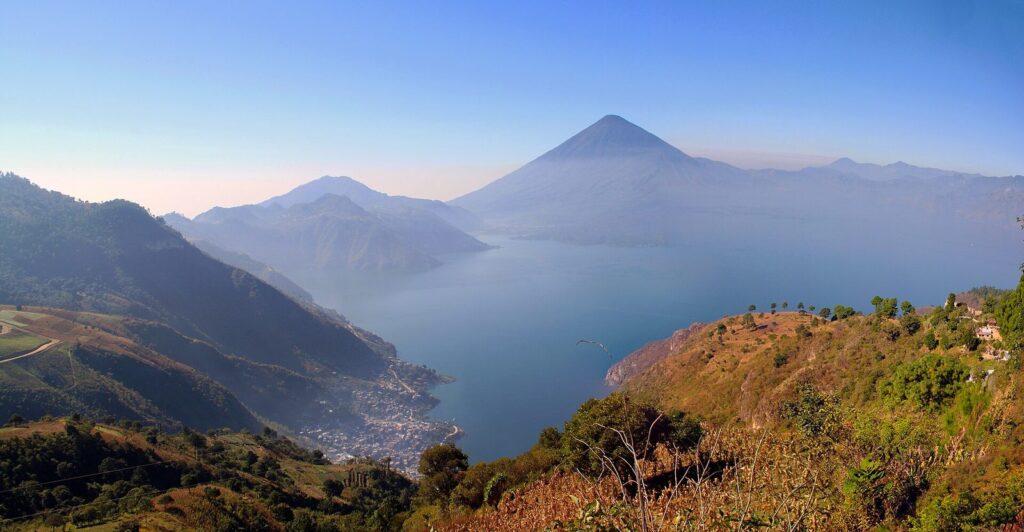
A crater lake at 1,560 metres, ringed by three volcanoes and a dozen Maya villages each with its own character. Aldous Huxley called it the most beautiful lake in the world and it is hard to argue.
Acatenango volcano
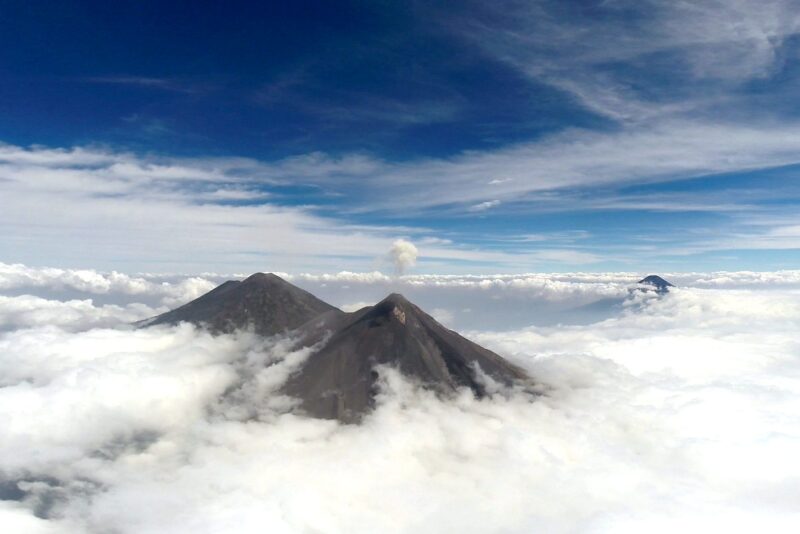
The trek that defines adventure in Guatemala: two days, a camp at 3,600 metres, and Fuego volcano erupting a few kilometres away in the dark. Hard, cold and unforgettable.
Chichicastenango
The largest indigenous market in Central America, on Thursdays and Sundays, with the church of Santo Tomás where Catholic and Maya practice openly coexist.
Semuc Champey
Seven stepped turquoise pools on a natural limestone bridge, deep in the Alta Verapaz jungle. Getting there is uncomfortable, and that is exactly why it is still what it is.
Quetzaltenango and the western highlands
Xela is the country’s second city and the place to experience the highlands without a tourist filter: markets for locals, Spanish schools, and access to volcanoes, hot springs and villages with improbable churches.
The two coasts
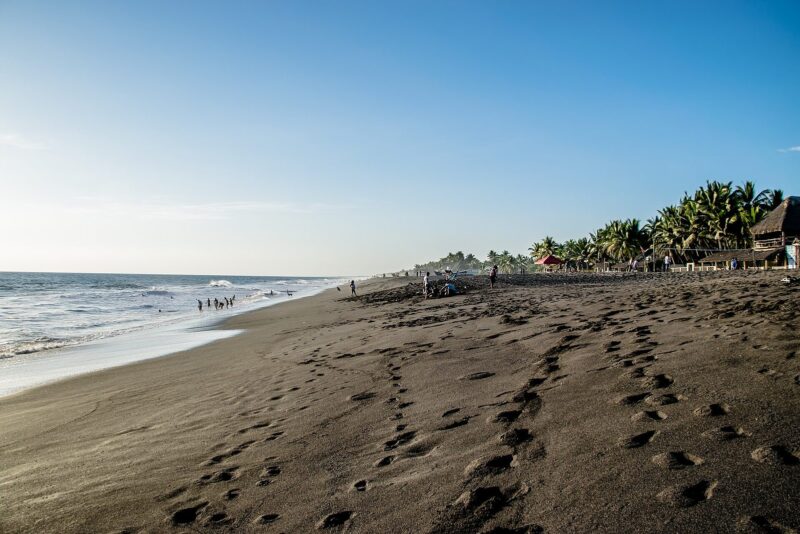
On the Pacific, Monterrico and its black volcanic sand, with mangroves and turtle releases. On the Caribbean, Livingston and the Río Dulce — Garifuna Guatemala, reachable only by boat and unlike anywhere else in the country.
How many days you need
- 5 or 6 days: Antigua, Lake Atitlán and Chichicastenango. The classic highland circuit.
- 10 days: the above plus Tikal, flying to Flores rather than losing two days on the road.
- Two weeks: add Acatenango and Semuc Champey, or swap Semuc for the Caribbean at Río Dulce.
- Three weeks or more: Xela and the western highlands, the Pacific coast, and time not to rush.
When to go
The dry season runs from November to April and is the best window for the highlands and for climbing volcanoes: clear skies and far less chance of a clouded summit. It is also high season.
From May to October it rains, but usually in short afternoon bursts. The landscape is much greener, there are fewer people and prices drop. In Petén the heat and humidity are serious all year.
Two dates worth knowing: Holy Week in Antigua, the most spectacular in the Americas, with accommodation sold out months ahead; and 1 November, when the giant kites go up at Sumpango and everyone eats fiambre.
Getting around
Tourist shuttles
Door-to-door minibuses linking Antigua, Atitlán, Chichicastenango, Xela, Lanquín and Flores. They are the sensible option: cheap, no changes, and they leave at reasonable hours. Book the day before through any hostel.
Chicken buses
Retired American school buses, repainted in improbable colours. Extremely cheap, packed to the roof and an experience in themselves. They are the country’s real transport and they reach every village in the highlands.
Domestic flights
Only one really matters: Guatemala City to Flores, an hour against eight to ten on the road. If you are going to Tikal on limited time, it is worth every quetzal.
Hire car
Useful for the western highlands and the coast, unnecessary for the classic circuit. Avoid driving between cities at night: the roads are narrow, winding and unlit, and that is the main reason.
Money and budget
The currency is the quetzal (GTQ). US dollars are accepted at some hotels and agencies, but for everyday spending you need quetzales. There are ATMs in every city and in the tourist villages on the lake; in Lanquín and the smaller communities they are scarce, so leave with cash.
Guatemala is among the most affordable countries in Central America, in the same bracket as Nicaragua and well below Costa Rica, Panama or Belize. Eating at comedores and markets, travelling by chicken bus and sleeping in hostels brings the daily figure down a long way; guided trips and volcano treks are what weigh on the budget.
Safety
The tourist circuit — Antigua, Atitlán, Petén, the highlands — is calm and well travelled. The precautions that genuinely matter are specific:
- Guatemala City has areas with serious problems. Most travellers use it only as an airport; if you stay, sleep in Zona 10 or Zona 4 and move by taxi or app.
- Do not travel between cities by road after dark.
- There have been occasional robberies on popular hiking routes. Go with a guide or in a group, particularly to Antigua’s Cerro de la Cruz or Atitlán’s Indian Nose.
- Check your own government’s current travel advice before booking, and again before you go.
Respect in the highlands
This deserves its own section. In Maya communities, ask before photographing anyone, and accept a no without pressing. It is normal to be asked for a small payment for a photograph: that is their rule, not a scam.
In churches where Maya rites are practised — Santo Tomás at Chichicastenango, San Andrés Xecul, the Maximón shrine at Santiago Atitlán — do not photograph people praying, and note that some steps are reserved for ceremony. These are working places of worship, not attractions.
What to eat
Pepián is the national dish, a stew that predates the Spanish. Try also kak’ik from Alta Verapaz, green jocón, plantain rellenitos and tostadas from any stall. And the coffee: Guatemala grows some of the best beans in the world, though almost all of it is exported.
Practical details
- Currency: quetzal (GTQ).
- Languages: Spanish is official, plus twenty-two Maya languages, Xinca and Garifuna.
- Plugs: types A and B, 120 V.
- Airports: La Aurora (GUA) in the capital and Mundo Maya (FRS) at Flores.
- Altitude: the highlands sit at 1,500–2,400 m. Nights are cold all year: bring layers.
- Water: bottled or filtered. Do not drink from the tap.
Prices, opening hours and exchange rates change every season. Confirm before booking.