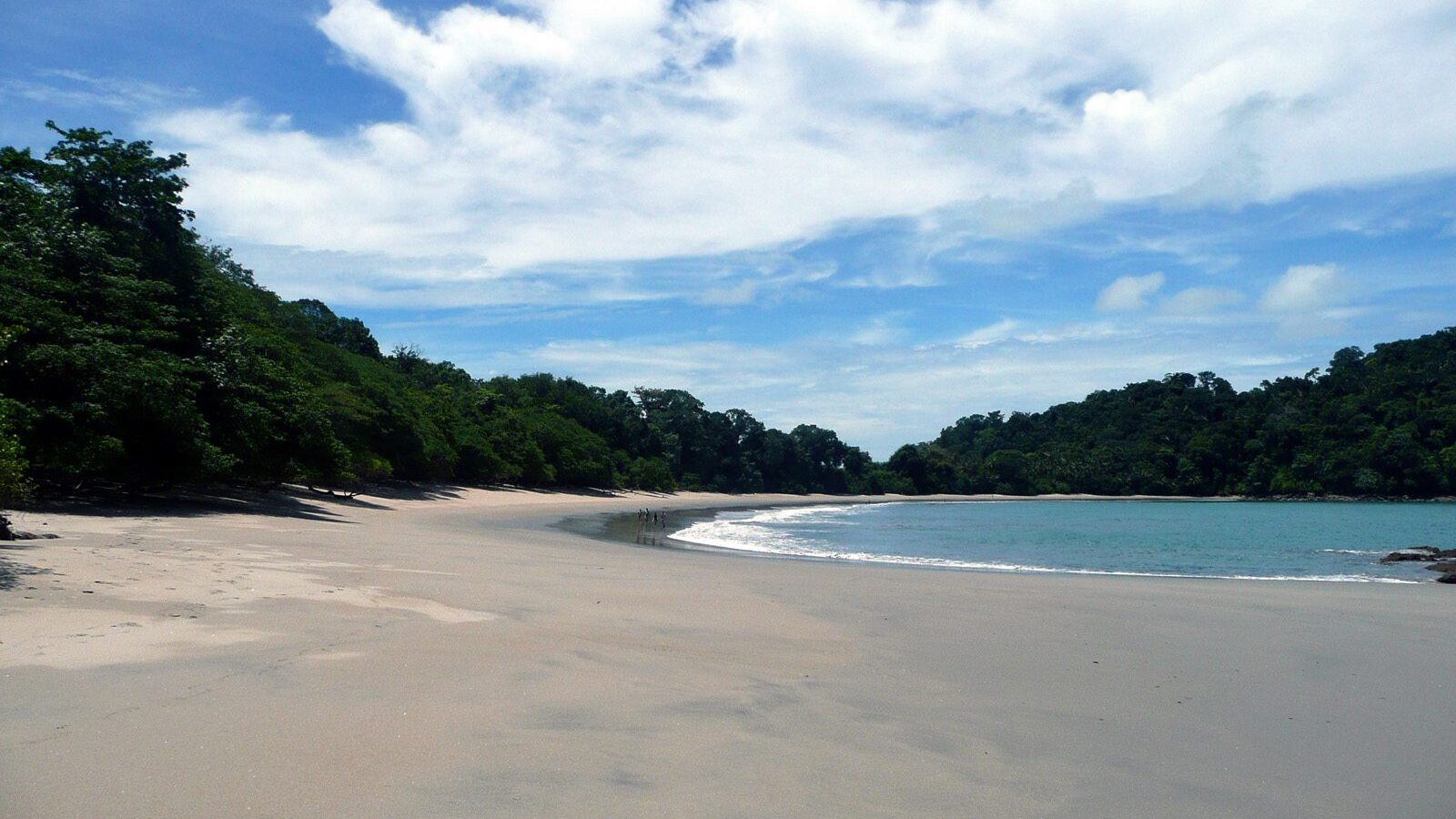
Manuel Antonio is the most visited national park in Costa Rica and one of the most photographed places in the tropics. This small reserve on the central Pacific coast combines white sand, turquoise water and extraordinary wildlife in a compact, accessible space.
The national park
Established in 1972, Manuel Antonio is the smallest national park in the country at just 1,983 land hectares, plus 55,000 hectares of protected sea. Despite the size it holds 109 mammal species and 184 bird species.
The beaches
- Playa Manuel Antonio: the famous one, a horseshoe of clear water perfect for swimming.
- Playa Espadilla Sur: longer and less busy, good for walking.
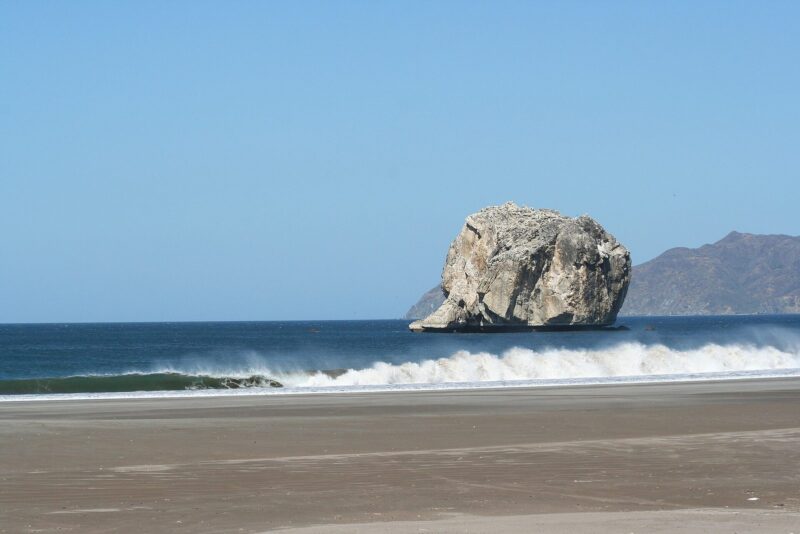
- Playa Puerto Escondido: reachable only at low tide.
- Playas Gemelas: two small beaches separated by rock, good for snorkelling.
The water sits between 26 and 29 °C and all of these are safe for swimming. The nearby coral gives decent snorkelling with plenty of tropical fish.
The trails
- Main trail: 2 km, easy, connecting the entrance with Playa Manuel Antonio.
- Punta Catedral: 1.4 km, moderate, a loop around the old tombolo with panoramic views.
- El Perezoso: 200 metres, and the best chance of spotting a sloth.
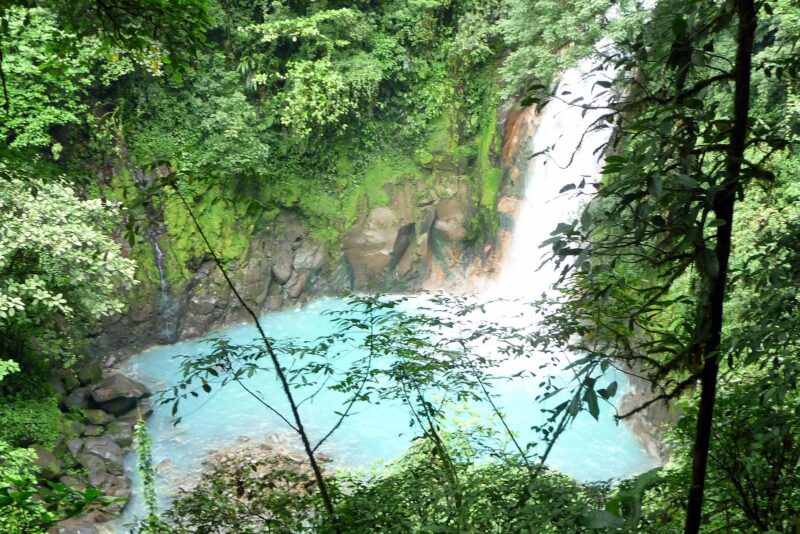
- La Catarata: 500 metres to a small waterfall.
The wildlife
Animals here are abundant and easy to see, which makes Manuel Antonio the ideal first stop in Costa Rica.
The star is the squirrel monkey (Saimiri oerstedii), the Central American species found only along this stretch of coast and in Panama. It is endangered and the park is one of the best places to see it. You will also see white-faced capuchins — bold enough to raid bags, so keep yours closed — howler monkeys, two- and three-toed sloths, coatis, agoutis, iguanas and a long list of birds including toucans and scarlet macaws.
Do not feed anything. It is the single biggest problem the park has, and it is why the capuchins now go through rucksacks.
Visiting: the rules
Entry is by advance online reservation with a daily visitor cap, and the park closes one day a week. Both things catch people out constantly. Check the current day of closure and book your slot before you travel.
Go at opening time: the wildlife is active, the heat is manageable and the beaches are empty. Guides wait at the entrance and are genuinely worth hiring — they carry telescopes and will show you ten times what you would find alone.
Outside the park
Playa Espadilla, just outside the entrance, is free, long and good for sunsets, though it has rip currents. The road between Quepos and the park is lined with hotels and restaurants, many with views over the coast.
Quepos itself, 7 km away, is the working town: cheaper food, the marina and sport fishing.
Getting there
About 157 km from San José, roughly three hours by road, with direct buses and shuttles. There are also short domestic flights to Quepos.
Practical advice
- Book entry online and check the weekly closing day.
- Take water — there is limited shade on the main trail.
- Keep bags closed and zipped because of the capuchins.
- Single-use plastic is restricted inside the park.
- Two nights is plenty; one full day covers the park comfortably.