Honduran cooking is a mix of indigenous, Spanish, African and Caribbean traditions built on maize, beans and seafood. It runs from the famous baleada to the conch soup of the Garifuna coast.
Baleadas, the national dish
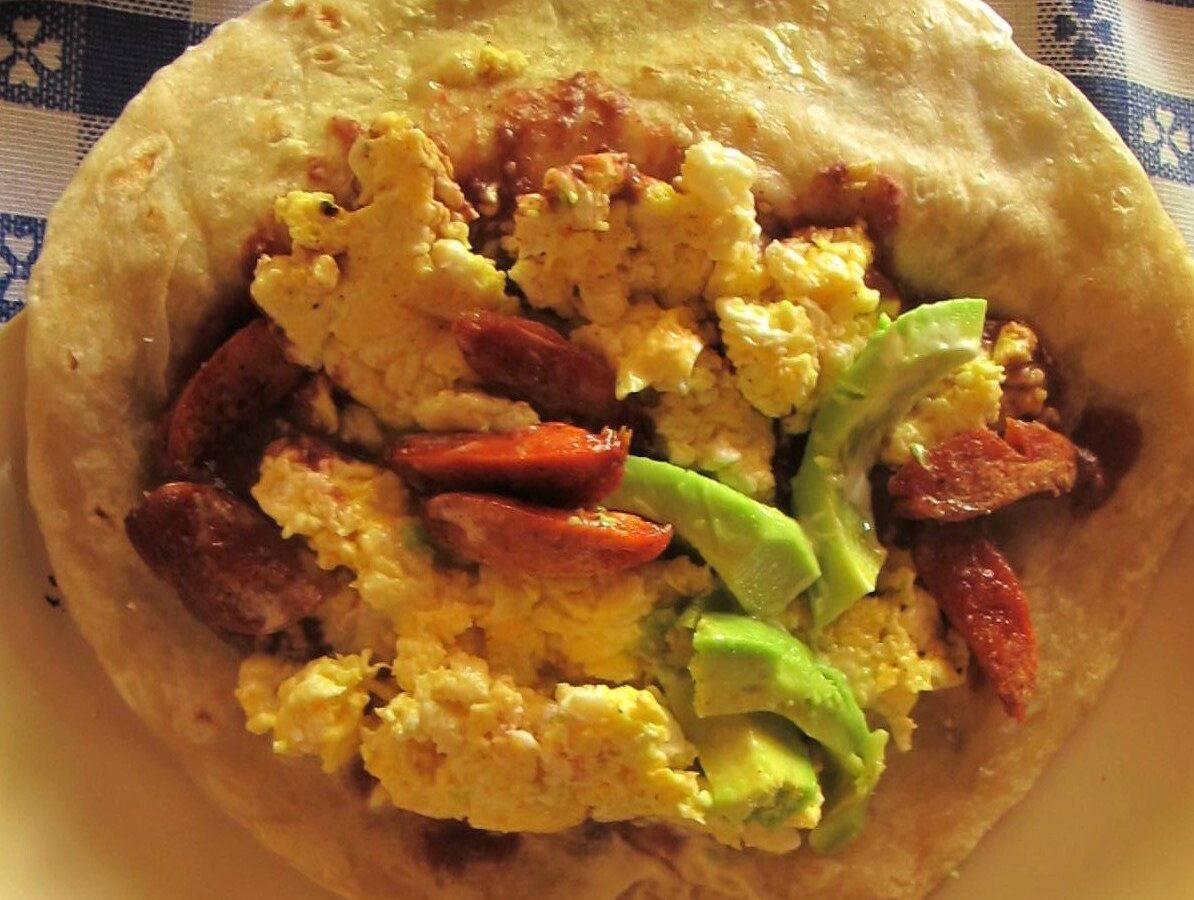
The baleada is the emblem of Honduran food, celebrated every third Saturday in June on National Baleada Day.
What it is
A thick, soft wheat flour tortilla folded over its filling. The basic version — baleada sencilla — has three things:
- Refried red beans, mashed and well seasoned.
- Cream or butter, the thick local mantequilla.
- Grated dry cheese, the hard salty Honduran kind.
The variations
From there you add: scrambled egg, shredded chicken, minced beef or steak, chopped fried chorizo, or a baleada con todo with several of those plus avocado.
Where it comes from: the baleada was born on the north coast in the mid-twentieth century as practical food for workers. The name has several explanations, the most repeated being that a vendor nicknamed “la baleada” — for having survived a shooting — made them popular.
Find them in any baleadería, especially in La Ceiba, San Pedro Sula and Tegucigalpa, for a couple of dollars or less.
Sopa de caracol
The queen of the Caribbean coast. A creamy soup of conch with coconut milk, cassava, green and ripe plantain, coriander and chilli. It is a Garifuna dish, famous enough to have had a hit song written about it, and widely credited with restorative powers.
The rest of the table
- Plato típico. The full national plate: grilled beef, beans, rice, fried plantain, cream, cheese, avocado and a marinated cabbage salad.
- Tapado olanchano. A substantial stew of beef, plantain and vegetables from the interior.
- Machuca. Garifuna: mashed green plantain served with coconut fish soup.
- Pastelitos de perro. Fried maize turnovers filled with meat and potato, despite the alarming name.
- Enchiladas hondureñas. Nothing like the Mexican kind: a fried tortilla topped with mince, cabbage, cheese and sauce.
- Pinchos. Grilled skewers sold at roadside stalls in the evening.
- Tamales and nacatamales, wrapped in plantain leaf and eaten at Christmas and on Sundays.
- Pescado frito con tajadas. Whole fried fish with plantain crisps, the standard on the coast.
Sweet things and drinks
- Rosquillas en miel. Maize and cheese rings in cane syrup.
- Tres leches. The cake at every celebration.
- Horchata and atol de elote from market stalls.
- Honduran coffee. The country is a major producer and the high-altitude beans from Marcala and Copán are excellent.
- Salva Vida and Port Royal: the national beers.
Where to eat
Baleaderías for breakfast, market comedores for lunch and roadside pinchos stalls in the evening. On the Caribbean coast, eat in the Garifuna villages — Sambo Creek, Corozal, Chachahuate — where the coconut cooking is at its best and usually needs a few hours’ notice.
Prices vary between the coast, the islands and the interior. Treat any figure as indicative.