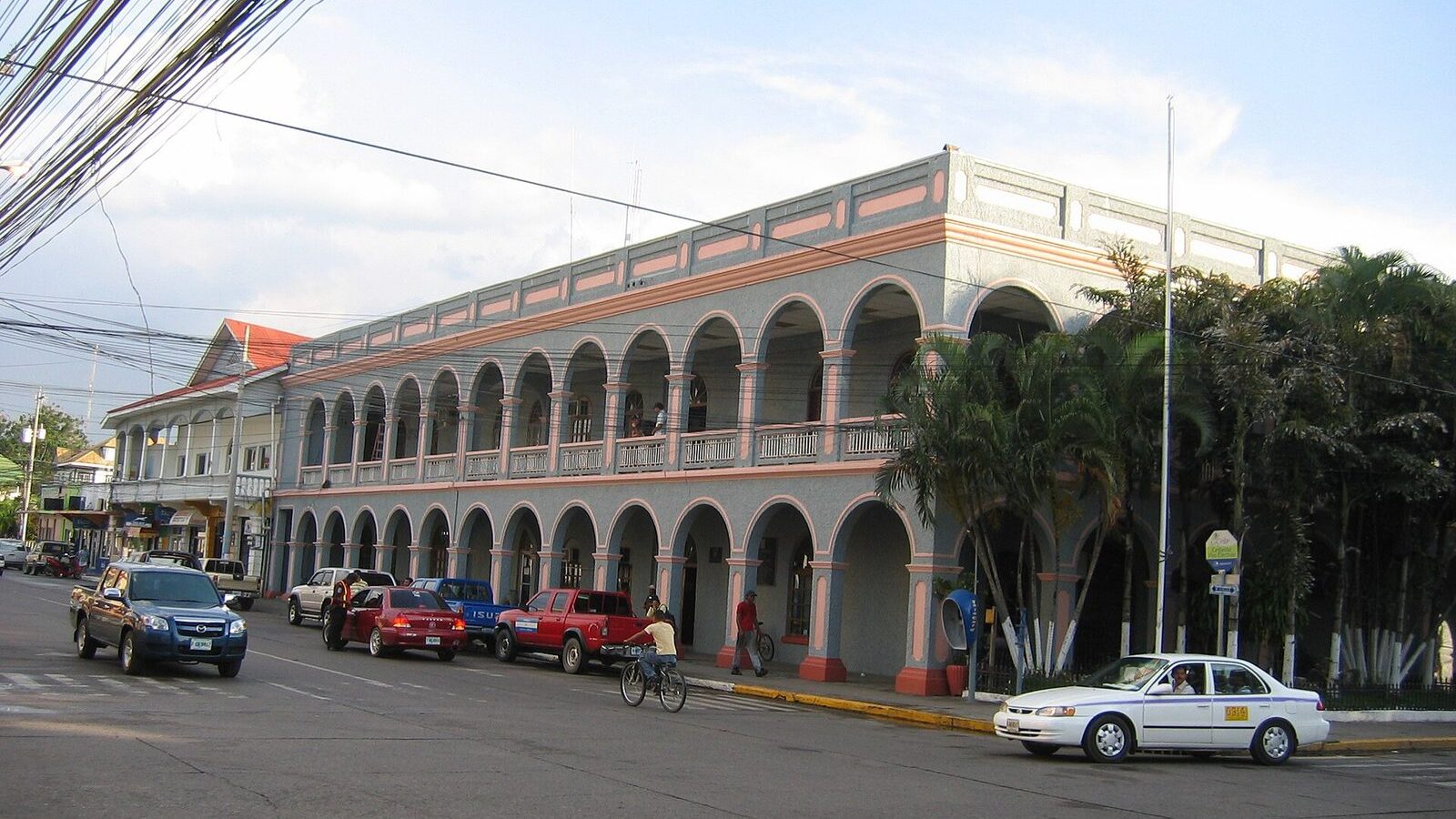
La Ceiba, known affectionately as the bride of Honduras, is the country’s third city and the ecotourism capital of the Caribbean coast. Wedged between the sea and the Nombre de Dios mountains, it combines beaches, rainforest, whitewater rivers and access to the Bay Islands.
Why come here
- Gateway to the islands: ferries to Roatán and Utila leave daily.
- Pico Bonito National Park: the largest protected area in Honduras.
- World-class rafting on the Cangrejal river.
- Cayos Cochinos: an untouched archipelago 30 km offshore.
- Garifuna culture in the coastal communities.
- La Ceiba Carnival: the biggest party in Honduras, held in May.
Pico Bonito National Park
Nearly 100,000 hectares rising from sea level to 2,435 metres, holding seven different ecosystems from mangrove to cloud forest. More than 400 bird species have been recorded, including quetzals, and the park shelters jaguars, ocelots, tapirs, monkeys and toucans.
The main entrance is 20 km from the city. Guided walks, birdwatching trips and canopy tours all run from there.
Rafting the Cangrejal
One of the best whitewater rivers in Central America, with rapids from class II to class IV. The upper section is class III–IV for the experienced, the middle class II–III, and the lower section class I–II and suitable for families. Kayaking is also available.
It runs all year, with the best flow between June and December.
Cayos Cochinos
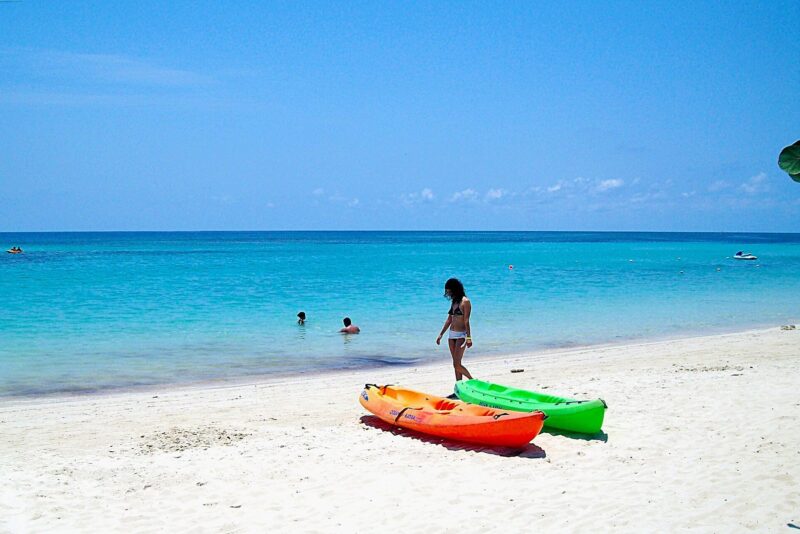
A protected archipelago of two small islands and a scatter of cays, reached by boat from Sambo Creek. Intact reef, deserted beaches and a Garifuna community on Chachahuate living much as it has for generations. It is a marine reserve, so fishing and anchoring are restricted — which is exactly why the coral is in the state it is.
Garifuna culture
The villages of Sambo Creek and Corozal, just along the coast, are Afro-Honduran communities with their own language, drumming and cooking. Visiting with a local guide, and eating there, is the most worthwhile thing you can do around La Ceiba.
The Carnival
Held in May in honour of San Isidro, this is the largest festival in Honduras: a week of neighbourhood parties culminating in a parade through the main avenue with floats, bands and enormous crowds. Book accommodation months ahead.
Getting there and safety
La Ceiba has a domestic airport and good road connections with San Pedro Sula, about three hours away. The ferry terminal for the islands is just outside town.
On safety: the tourist areas and the lodges up the Cangrejal valley are calm, but La Ceiba is a working port city with neighbourhoods best avoided. Move by taxi at night and check your own government’s current travel advice before booking.