Honduras surprises most visitors with how much it holds: Caribbean coral reefs, one of the great Maya cities, rainforest national parks and colonial towns, all within a few hours of each other.
It sits on the second largest reef system in the world, has two UNESCO World Heritage Sites and remains far less travelled than its neighbours.
The main destinations
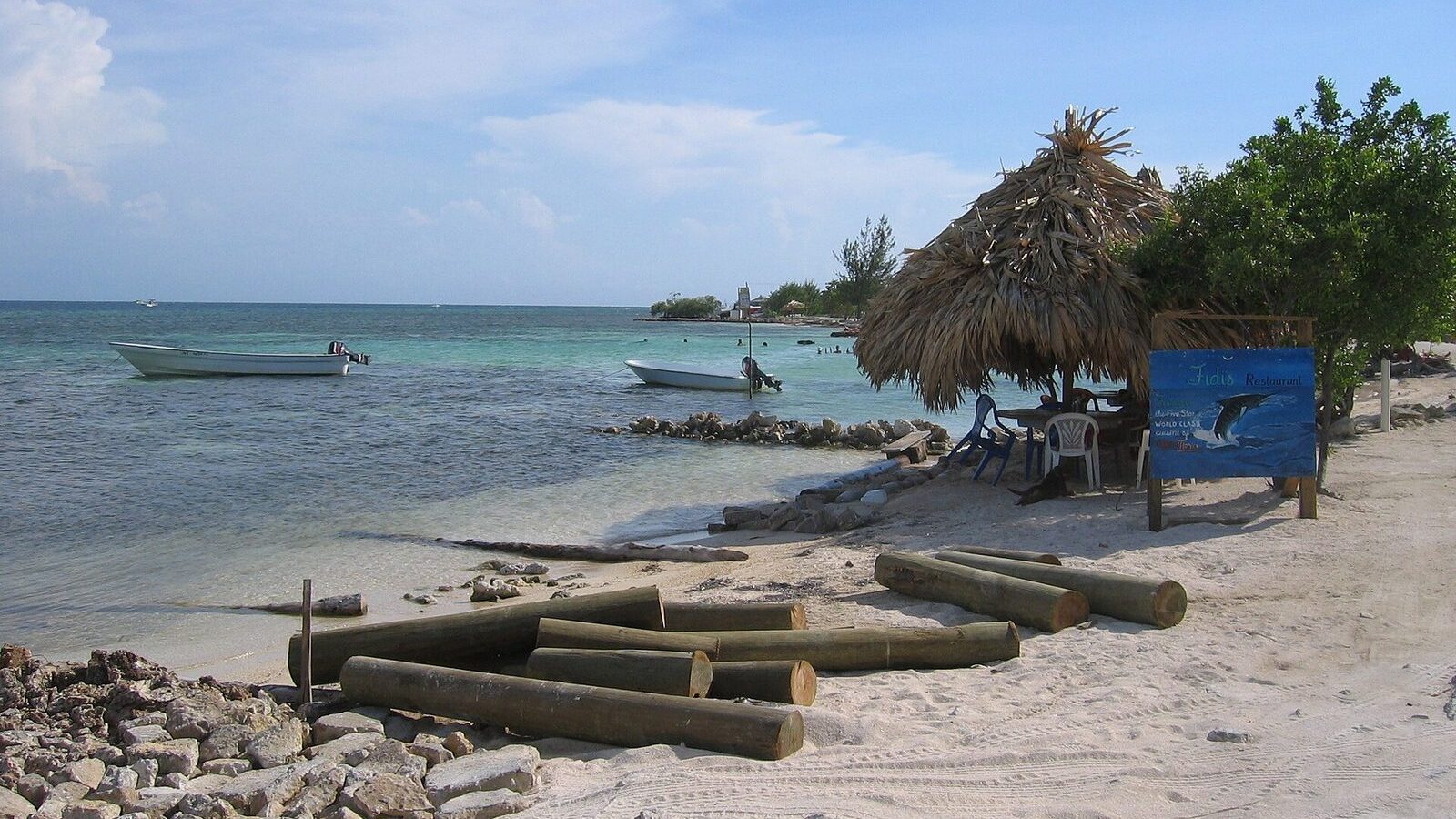
The Bay Islands
The best known destination in the country, and the reason most people come.
- Roatán: the most developed, with white-sand beaches, resorts and dozens of world-class dive sites.
- Utila: the budget diving capital, where a great many people get certified for the first time.
- Guanaja: the least visited, for anyone after genuine quiet.
All three sit on the Mesoamerican Barrier Reef, second in size only to Australia’s. Roatán alone has dozens of dive centres, so you will not struggle for options.
Copán
One of the most important Maya sites anywhere, a World Heritage Site since 1980 and often called the Paris of the Maya world for the quality of its sculpture.
- The Hieroglyphic Stairway: more than two thousand glyphs, the longest known Maya inscription.
- The Rosalila temple: exceptionally preserved, with its original colour, buried inside a later structure.
- The ball court: among the best preserved in the Maya world.
- Scarlet macaws: the national bird, living in the trees around the site.
The village of Copán Ruinas, a kilometre from the site, is a pleasant colonial base with hotels and restaurants.
La Ceiba and the Caribbean coast
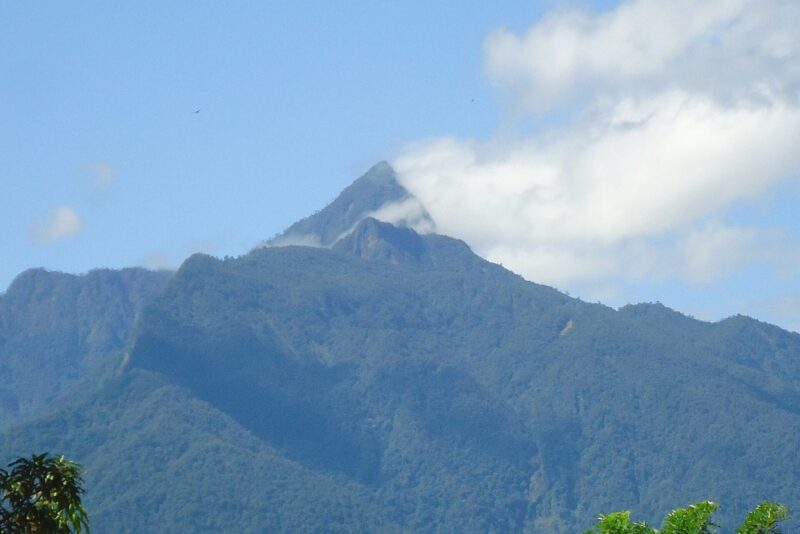
The ecotourism capital, wedged between the Caribbean and the Nombre de Dios range. From here you reach Pico Bonito National Park, nearly 100,000 hectares of rainforest with more than 400 bird species; the whitewater of the Río Cangrejal; and Cayos Cochinos, an untouched archipelago of deserted beaches and intact reef.
The Garifuna communities of Sambo Creek and Corozal, just along the coast, have their own language, drumming and cooking. La Ceiba is also where the ferries to Roatán and Utila leave from.
Lake Yojoa
The largest natural lake in the country, ringed by national parks and known among birdwatchers for the hundreds of species recorded around it. Nearby are the 43-metre Pulhapanzak falls and the cloud forest of Cerro Azul Meámbar.
Tela and Comayagua
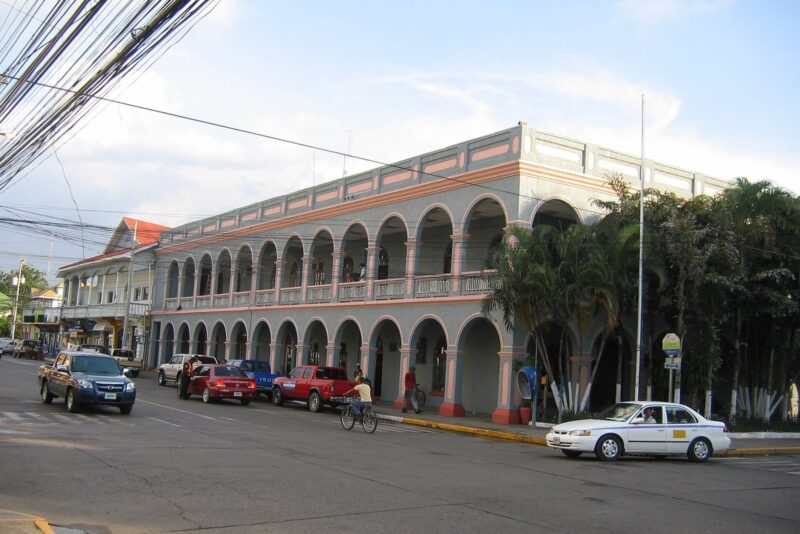
Tela is the calmer beach town on the Caribbean, with the Lancetilla botanical garden and the mangroves and empty beaches of Punta Sal. Comayagua, the old colonial capital inland, has a cathedral holding one of the oldest clocks in the Americas.
When to go
The dry season, February to May, is the most reliable for the mainland. For diving, visibility on the Bay Islands is generally best from March to September. The Caribbean coast runs on its own pattern and can be wet when the interior is dry.
Money, transport and safety
The currency is the lempira (HNL), though US dollars are widely accepted on the islands and around Copán. Bring cash outside the main towns.
Domestic flights connect San Pedro Sula and La Ceiba with Roatán quickly; ferries from La Ceiba are cheaper and can be rough. Buses cover the mainland well, and the direct services between the main cities are comfortable.
On safety: the tourist areas — the islands, Copán, Pico Bonito — are calm, but Honduras has cities with serious crime problems and several governments maintain travel advisories. Read your own country’s current advice before booking, avoid moving between cities after dark, and take the standard precautions in San Pedro Sula and Tegucigalpa.
What to eat
The baleada above all: a thick flour tortilla folded over refried beans, cream and cheese, with as much else as you want added. On the coast, fried fish with coconut rice and plantain, and in the Garifuna towns, tapado and machuca.
Prices and schedules change every season. Confirm before booking.