Quetzaltenango, known to everyone as Xela — pronounced “shay-la” — is Guatemala‘s second city and one of its most interesting. Sitting in a valley at 2,400 metres, ringed by volcanoes and Maya villages, it mixes colonial history, living indigenous culture and spectacular country.
Where Antigua draws the tourists, Xela draws travellers after something less curated. This is where Guatemalans come to study, where foreigners come to learn Spanish, and where the traditions of the western highlands are strongest.
Why come
Xela does not have Antigua’s photogenic ruins or Atitlán’s postcard scenery. What it has is authenticity: streets full of university students, markets for locals rather than visitors, lower prices, and a position that makes it the launch point for some of the best natural adventures in the country.
What to see in the city
Parque Centroamérica
The heart of Xela, ringed by impressive buildings: the Municipal Theatre, opened in 1895 and one of the most elegant in the country; the cathedral of the Holy Spirit; the Pasaje Enríquez arcade with its bars and cafés; and a row of neoclassical façades. It is where the city meets.
The cathedral
Unusual because there are effectively two: the sixteenth-century façade of the original church survives in front of the later building, after the 1902 earthquake. Inside, the tiled floor and the candlelit side chapels are worth a quiet ten minutes.
The markets
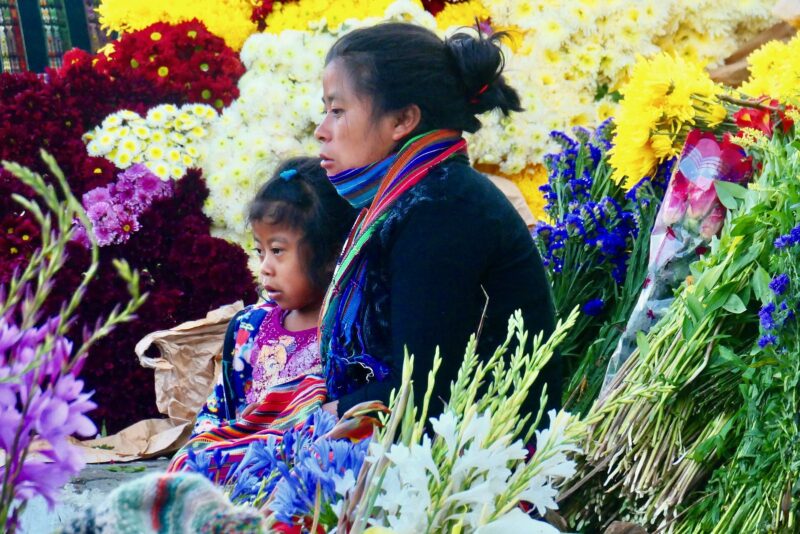
La Democracia is the big one and it is entirely for locals — produce, textiles, hardware, food stalls. It is chaotic and a far better window on highland life than anything in Antigua.
Spanish schools
Xela is one of the best places in Latin America to study Spanish: dozens of schools, lower prices than Antigua, and crucially far fewer English speakers around, which forces you to actually use it. Many schools run social projects you can volunteer with.
Around Xela
Fuentes Georginas
Hot springs in a cleft of cloud forest on the flank of Zunil volcano, about an hour away. Steaming pools surrounded by ferns and mist — and genuinely hot, which is welcome at this altitude. The most popular trip from the city.
Santa María and Santiaguito
Santa María volcano rises to 3,772 metres and is a hard pre-dawn climb, but from the summit you look down on Santiaguito, an active vent that erupts every hour or so. Looking down on an erupting volcano is a rare thing.
The villages
- Zunil: a Maya town with a startling white and coloured church and a shrine to the folk saint San Simón.
- San Andrés Xecul: famous for its extraordinary yellow church façade, covered in painted figures.
- San Francisco El Alto: Friday market, the largest textile and livestock market in the country.
- Almolonga: a valley of vegetable farms famous for the size of its produce.
The Quetzaltrekkers route
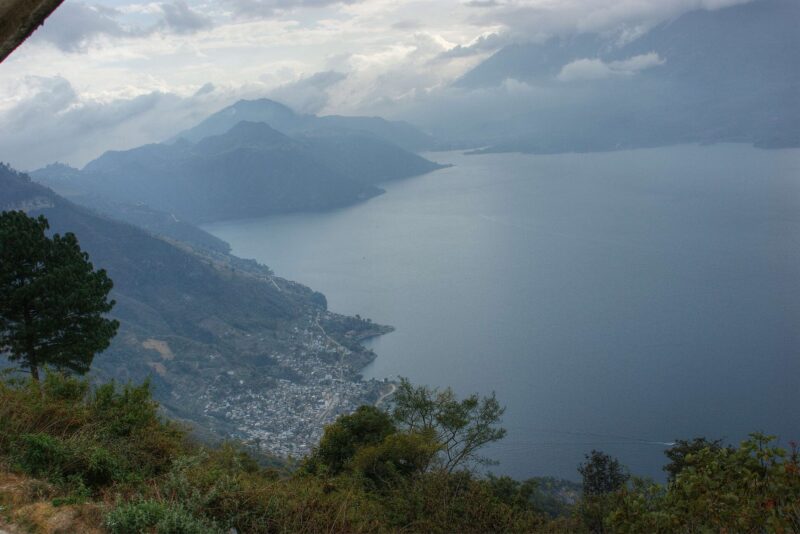
The three-day trek from Xela to Lake Atitlán, crossing the highlands on foot and sleeping in villages. It is run by a non-profit whose guides are volunteers and whose income funds local education. One of the best walks in Central America.
Practical advice
- It is cold. At 2,400 metres the evenings drop sharply and many places have no heating. Bring layers.
- About four hours from Antigua or Guatemala City by shuttle; less from Atitlán.
- Two or three nights, or weeks if you are studying Spanish.
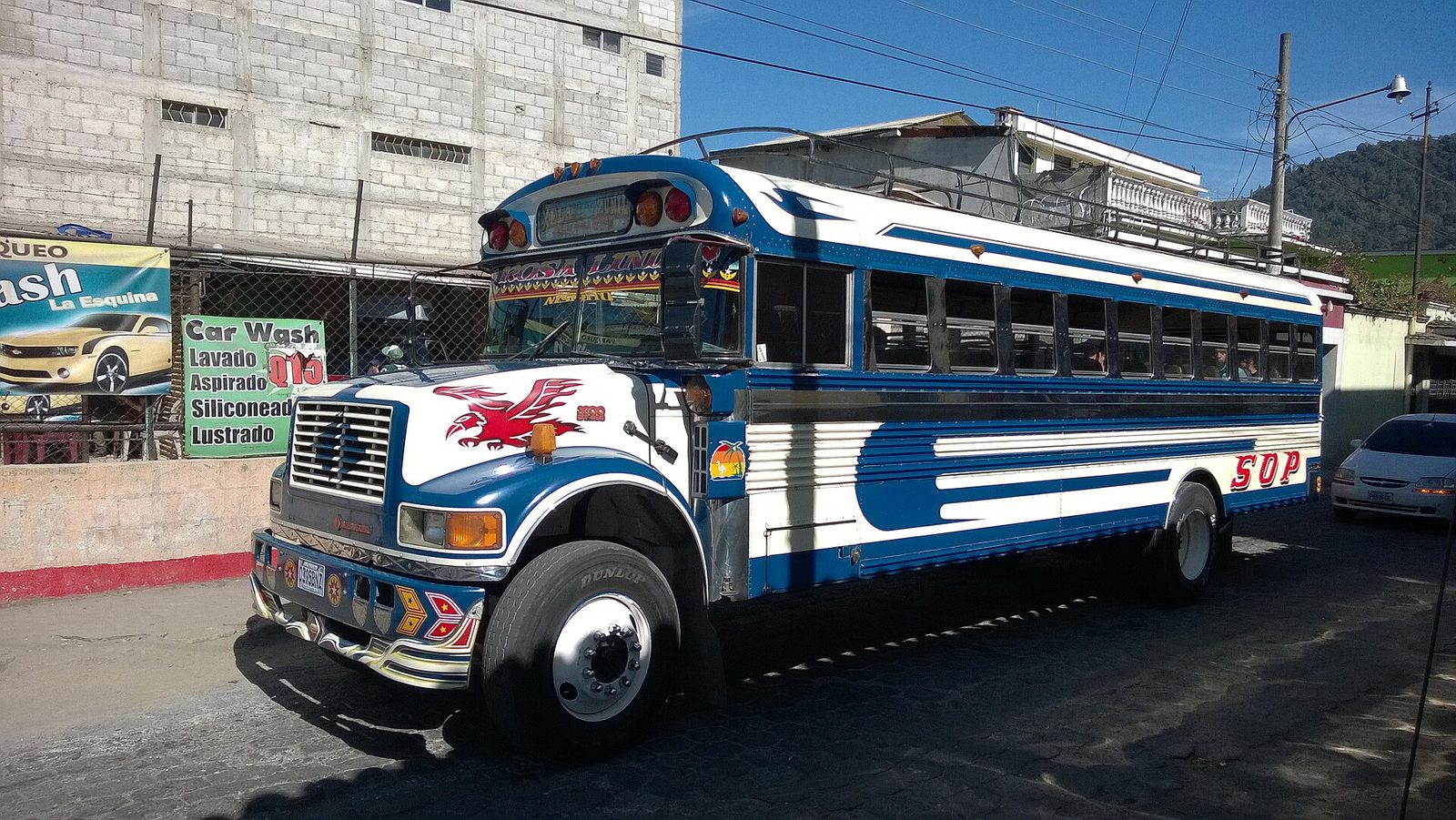
- The chicken buses from the terminal reach every village in the highlands for almost nothing.