Guanacaste, the sunniest province in Costa Rica, is the country’s beach heartland. With more than 300 days of sun a year, kilometres of Pacific coast, excellent national parks and a distinctive cattle-country culture, it combines beach time with real adventure.
Why Guanacaste
Unlike the rest of Costa Rica, Guanacaste has a tropical dry climate with a clearly defined dry season from November to April. That makes it the choice if you want guaranteed sun.
- International airport at Liberia (LIR), with direct flights from the US and Canada.
- World-class all-inclusive resorts alongside simple beach towns.
- Beaches for every purpose: surf, snorkelling, families, solitude.
- Accessible national parks inland.
The beaches
Papagayo peninsula
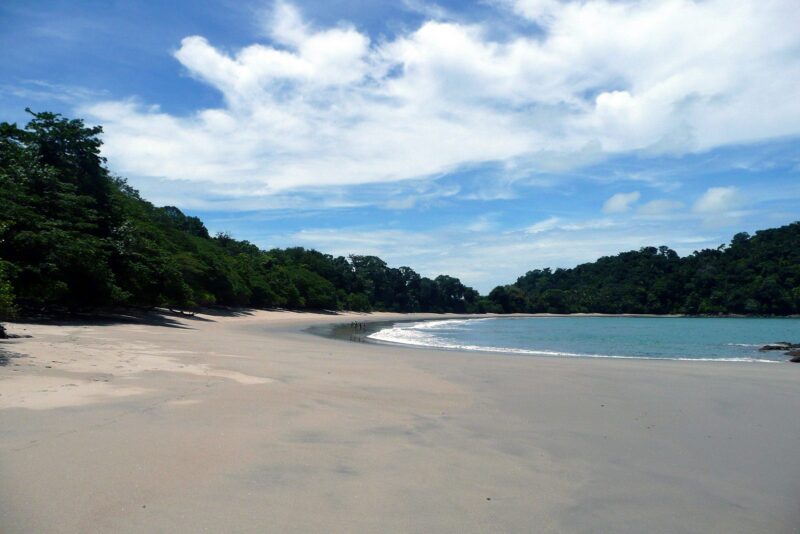
The most exclusive stretch in the country, with luxury resorts. Playa Nacascolo has white sand and calm water; Playa Virador is small and good for snorkelling; and Bahía Culebra is sheltered enough for watersports. Access to some beaches is through the resorts, though all Costa Rican beaches are public by law.
Playas del Coco and around
- Playas del Coco: a working beach town with nightlife, restaurants and full services. The base for diving at the Murciélago islands.
- Playa Hermosa: calm and family-oriented, dark grey sand.
- Playa Ocotal: a small bay, excellent for snorkelling and diving.
- Playa Panamá: long and quiet, good for walking.
Tamarindo and around
Tamarindo is the most developed beach town in Guanacaste: 4 km of golden sand, beginner-friendly surf, and the busiest nightlife on the coast. Playa Grande, just north, is part of Las Baulas National Park and a leatherback turtle nesting beach — which means strict rules after dark and a far quieter atmosphere.
Playa Conchal
Famous for sand made of crushed shells rather than grains, and for some of the clearest water in the province. Good snorkelling straight off the beach.
Sámara and Nosara
Sámara is a calm, family-friendly bay protected by a reef, and one of the safest swimming beaches in the country. Nosara, further south, is the yoga, wellness and surf capital, with a deliberately low-rise, low-key development style.
Santa Teresa
At the tip of the Nicoya peninsula and technically just outside Guanacaste, but part of the same coast: world-class surf, a bohemian scene and long sunsets. The road in is rough.
Beyond the beach
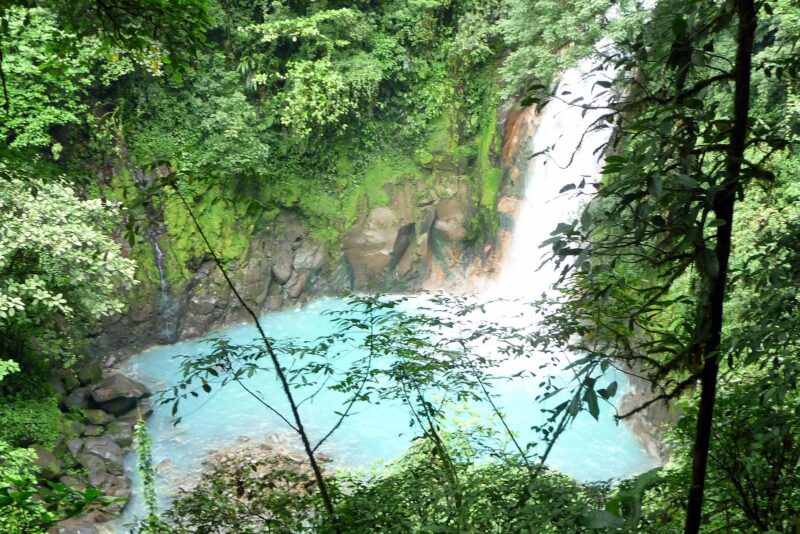
- Rincón de la Vieja National Park: an active volcano with mud pots, fumaroles, waterfalls and hot springs.
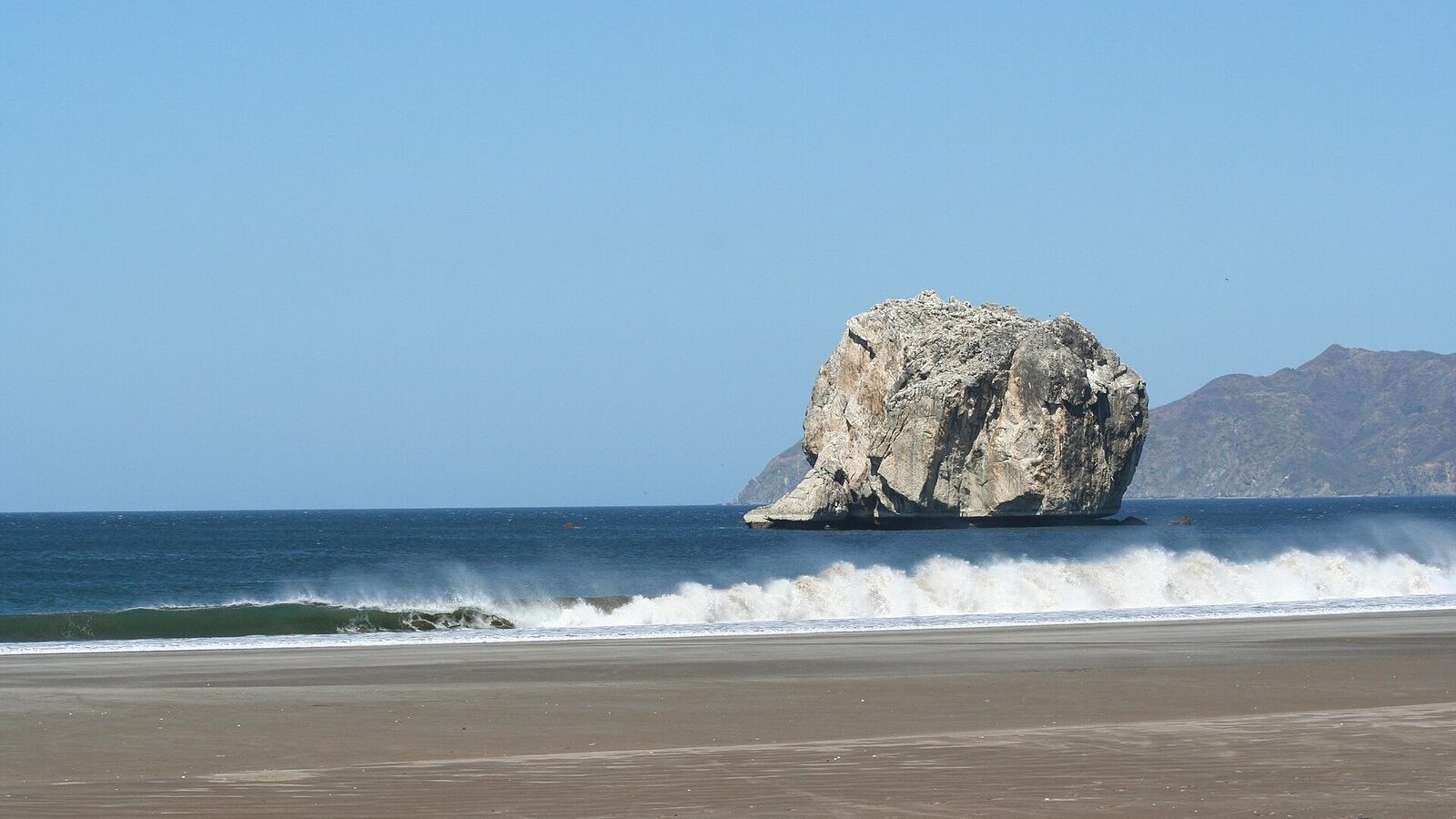
- Santa Rosa National Park: dry tropical forest, history and the remote surf break at Playa Naranjo — Witch’s Rock.
- Palo Verde: wetlands on the Tempisque river, exceptional for birds.
- Turtle nesting at Ostional and Las Baulas, seasonal and guide-only.
When to go
The dry season, November to April, is reliably sunny — and also the busiest and most expensive. The green season brings afternoon rain, dramatically greener landscapes, far fewer people and better prices. September and October are the wettest.
Practical advice
- Hire a car. The beaches are spread out and public transport between them is poor. A 4×4 helps on the Nicoya roads.
- Liberia airport puts most of the coast within an hour.
- Rip currents are a real risk on the open beaches. Ask locally before swimming.
- It gets extremely hot and dry here in March and April.