Panama is where Central America ends and South America begins, and that position explains almost everything about it: a canal that splits the continent, a capital of glass towers facing the Pacific, a Caribbean archipelago governed by its own indigenous people, and highlands that grow some of the most expensive coffee on earth.
It is also the easiest country in the region to travel: the US dollar is the currency, there are direct flights from half the Americas, and nothing is very far from anything else. Here is what you need to put a trip together.
Why go to Panama
Panama fits into just over 75,000 km², and into that space it packs two oceans, three mountain ranges and seven indigenous peoples. You can have breakfast facing the Pacific, cross the isthmus by road in under two hours and eat dinner on the Caribbean.
It also has the most developed infrastructure in Central America: Tocumen is the region’s main air hub, the capital has a metro, and the Pan-American Highway runs the length of the country.
What to see
The Panama Canal
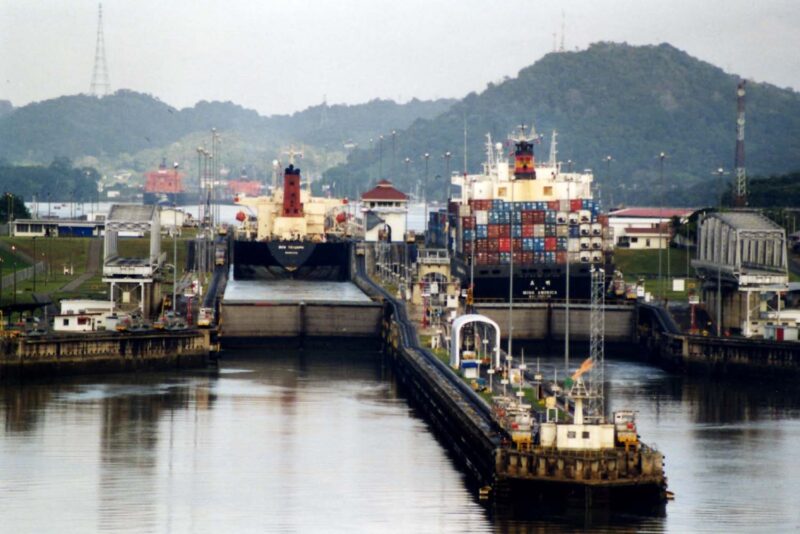
The piece of engineering that rewired world trade. You can watch ships rise and fall at the Miraflores locks on the Pacific side, or at Agua Clara on the Caribbean, where the giant vessels of the 2016 expansion pass through.
Casco Antiguo
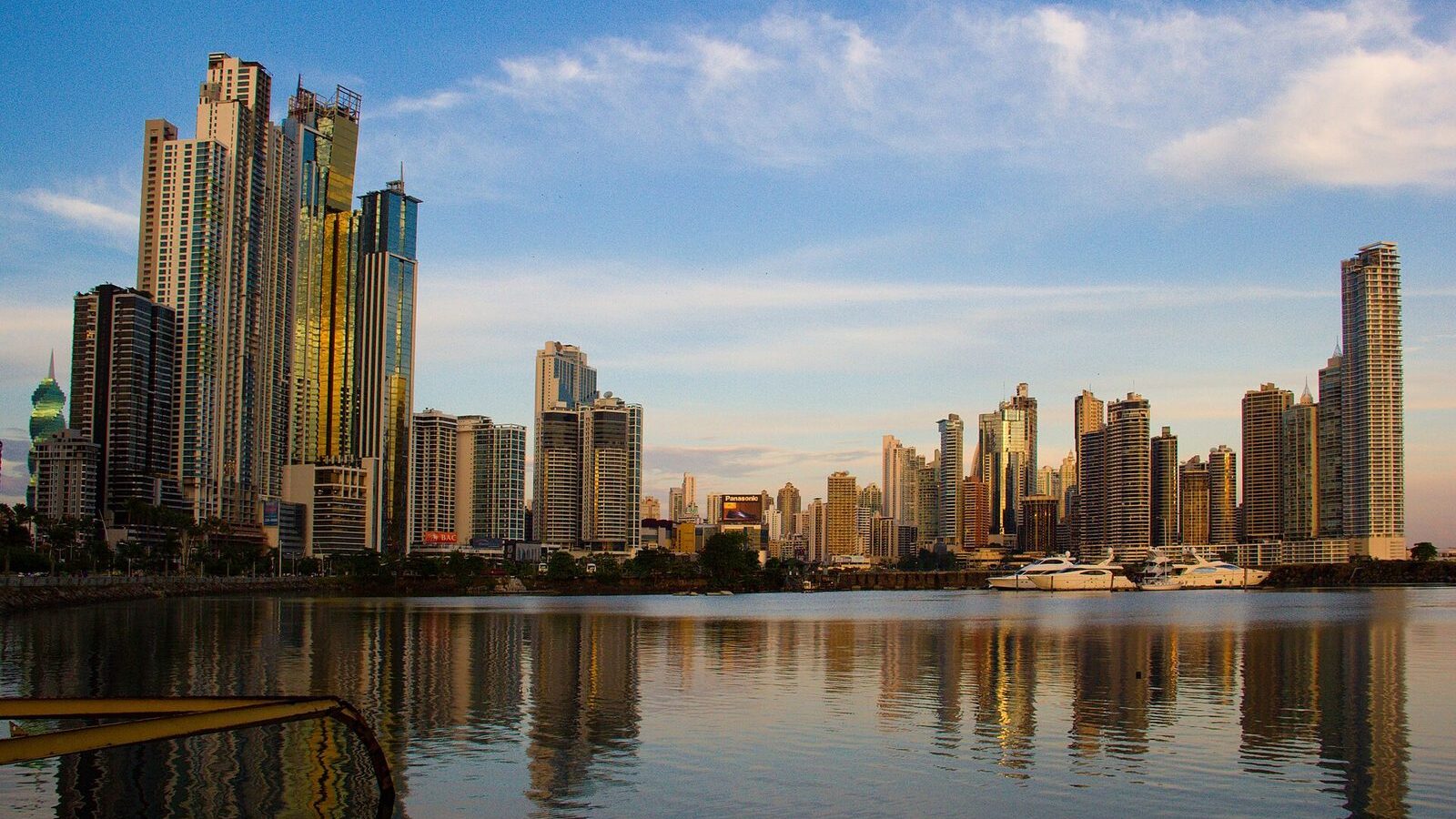
The old quarter of Panama City, a UNESCO World Heritage Site, with its colonial squares, restored façades and rooftops looking out at the skyline. The contrast between the old town and the towers across the bay is the country’s defining image.
The San Blas archipelago (Guna Yala)
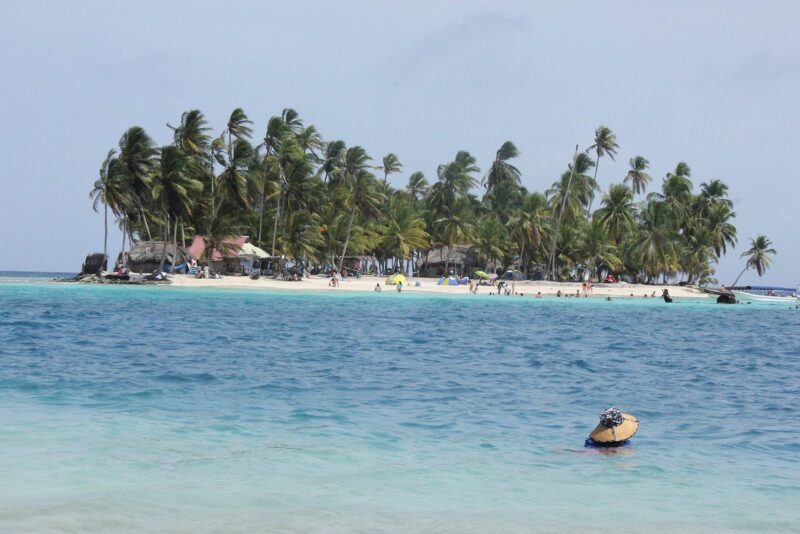
Hundreds of white-sand islands in clear Caribbean water, inside an autonomous territory administered by the Guna people. There are no resorts: you sleep in simple cabins and eat whatever came up in the nets that morning.
Bocas del Toro
The Caribbean archipelago in the north-west, next to the Costa Rican border. Mangrove and coral beaches, houses on stilts, snorkelling, surf and the most traveller-heavy atmosphere in the country.
Boquete and the Chiriquí highlands
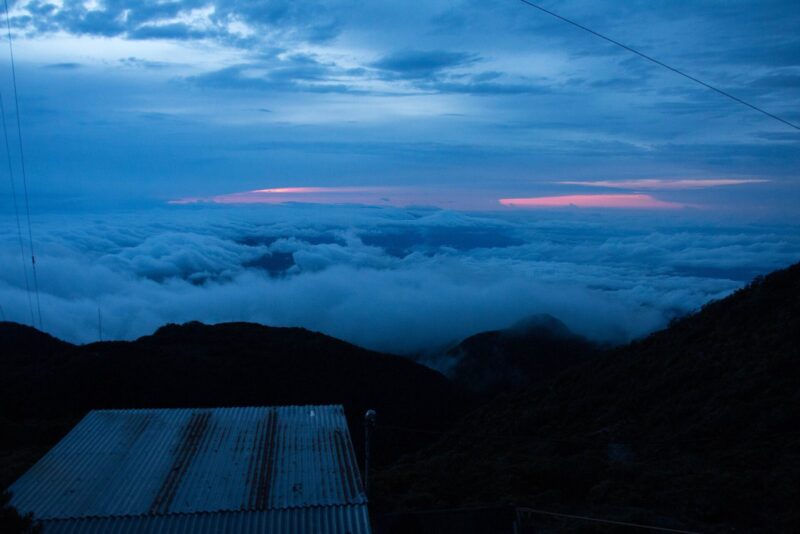
Mountains, cool air, coffee farms and Volcán Barú, the highest point in the country. It is the perfect counterweight to the heat of the coast.
The Azuero peninsula
The most traditional Panama: colonial towns, pollera embroidery, famous carnivals and near-empty Pacific beaches. It sees the least international tourism and has the strongest sense of the country’s interior culture.
How many days you need
- 4 or 5 days: the capital, the canal, Casco Antiguo and a trip out to San Blas or El Valle de Antón.
- 8 to 10 days: all of the above plus Bocas del Toro or Boquete, choosing between Caribbean and mountains.
- Two weeks: the capital, San Blas, Bocas, Boquete and Azuero without rushing.
When to go
The dry season runs from mid-December to mid-April and is high season: clear skies on the Pacific side and in the capital, and the best window for San Blas and for climbing Barú.
The wet season, May to November, brings afternoon downpours rather than whole days of rain. There are fewer people and better prices. One quirk worth knowing: the Caribbean side at Bocas del Toro follows its own pattern and often has fine weather in September and October, exactly when the rest of the country is at its wettest.
Getting around
Domestic flights
They leave from Albrook airport in the capital and connect to Bocas del Toro, David and other destinations. They save a great many hours on the road, especially towards Bocas.
Buses
The Albrook terminal, attached to the metro and the shopping centre of the same name, handles national departures. There are direct services to David, Chiriquí, Azuero and the Caribbean coast. They are comfortable and very cheap, but long-distance buses run the air conditioning at full blast: bring a layer.
In the capital
Panama City has the only metro in Central America, paid for with a rechargeable Metrobús card. For Casco Antiguo and the canal, ride-hailing apps work well and spare you haggling over fares.
Hire car
Worth it for Azuero, Chiriquí and El Valle de Antón. You do not need one in the capital, and for San Blas or Bocas it is simply a nuisance you will end up parking.
Money and budget
Panama uses the US dollar as legal tender. The balboa exists, is pegged one to one and circulates only as coins, so you will see dollar notes and Panamanian coins mixed together. If you arrive with dollars you need to change nothing.
It is the most expensive country in Central America, especially in the capital and on the islands. Prices drop considerably outside those. Always carry cash in small notes: in San Blas and on many islands there are no ATMs and no card machines.
Safety
Panama is one of the calmer countries in the region for travellers. In the capital, apply the common sense of any large city: do not flash a phone or a camera in quiet streets, and avoid certain neighbourhoods after dark. Casco Antiguo is heavily policed, but the streets around its edge change character at night.
The Darién jungle on the Colombian border is not a tourist destination and should not be crossed overland under any circumstances.
What to eat
Sancocho, a chicken and yam broth, is the national dish and the local cure for everything. Try the yuca carimañolas, the fried hojaldres at breakfast, ceviche from the Mercado de Mariscos and the arroz con pollo at any fonda. On the islands, fish and seafood cooked with coconut.
Practical details
- Currency: US dollar (and the balboa at parity, coins only).
- Language: Spanish; English is common in the capital and in Bocas del Toro.
- Plugs: types A and B, 110 V, as in the United States.
- Main airport: Tocumen (PTY), about 25 km from the city centre.
- Water: drinkable in the capital and most of the country; bottled in Bocas del Toro and in the indigenous comarcas.
Prices and opening hours change every season. Always confirm fares before you book.