Suchitoto — “place of the flower bird” in Nahuatl — is the cultural capital and the colonial jewel of El Salvador. Just 47 kilometres from San Salvador, it offers cobbled streets, impeccably preserved colonial architecture, traditional crafts and a lively arts scene.
History and setting
Founded by the Pipil and later turned into an important Spanish colonial centre, Suchitoto was one of the country’s most prosperous towns in the nineteenth century and briefly the seat of the first capital of independent El Salvador. The civil war of 1980 to 1992 hit the area hard, but the town has come back as a cultural destination.
It sits at 438 metres in Cuscatlán department, with a pleasant climate all year and views over Lake Suchitlán.
What to see
The historic centre
Walking the cobbled streets is the main event. The central square is the social heart, ringed by colonial buildings; the eighteenth and nineteenth-century houses keep their wooden balconies; and the cobblestones are the best preserved in the country. Galleries, cultural cafés and craft workshops fill the old houses.
Santa Lucía church
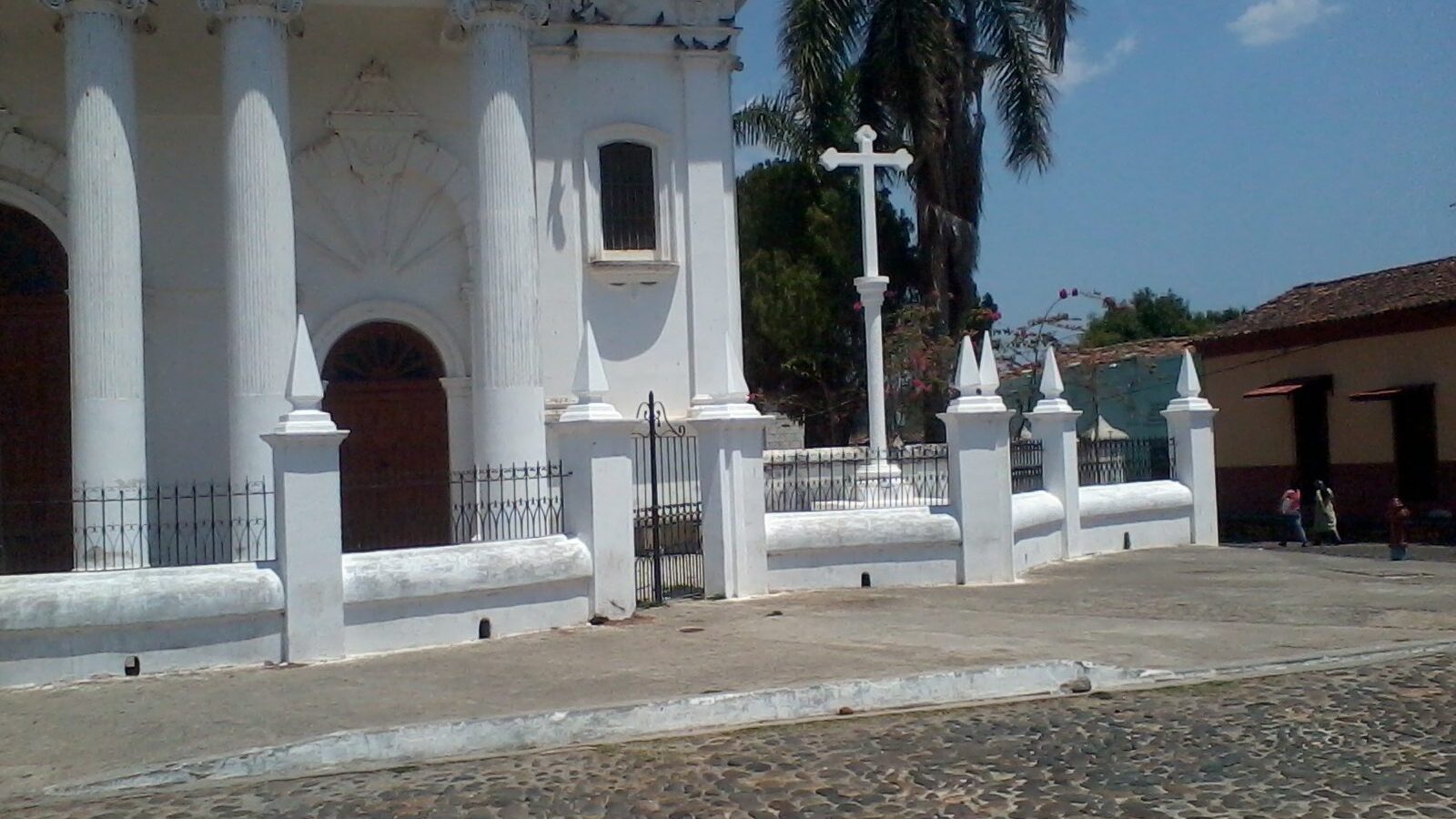
Built in 1853, this is the town’s emblem. Its white neoclassical façade and three-tier bell tower dominate the square, and the bells still set the rhythm of the day. It photographs best in late afternoon light.
Lake Suchitlán
The largest body of water in El Salvador, created in 1976 by the Cerrón Grande hydroelectric dam. Boat trips run for an hour or two; more than 200 bird species have been recorded, including herons, cormorants and kingfishers; and Bird Island is a sanctuary reachable by boat. The viewpoints over the lake give the best sunsets in the region.
Los Tercios waterfall
An unusual geological formation: hexagonal basalt columns that look hand-cut, formed by lava cooling slowly millions of years ago. It stands about 10 metres high, 1.5 km from the centre, reached by a short walk of fifteen or twenty minutes. Entry is free.
Go in the rainy season, May to October, when there is actually water falling over the columns.
Indigo workshops
Indigo was El Salvador’s blue gold in the colonial era, and Suchitoto keeps the tradition alive. Several workshops run half-day classes where you dye your own piece and learn how the plant is processed. It is the most interesting thing to do here beyond walking.
Getting there
About an hour and fifteen minutes from San Salvador by car. Public buses run from the Oriente terminal in the capital and take longer. From the coast at El Tunco, allow around two hours.
Practical advice
- Stay the night. Suchitoto empties of day-trippers in the late afternoon and that is when it is at its best.
- The cobbles are uneven: sensible shoes.
- Weekends bring cultural events and more life; midweek is very quiet.
- Bring cash — card acceptance is patchy outside hotels.
- One full day covers the town; two if you add the lake and a workshop.